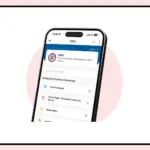
WhatsApp is developing a new feature called “Primary Controls” to give parents more oversight over how minors use the messaging app.
Spotted in Android beta builds, this system aims to protect children while keeping chats private, letting parents manage account restrictions without accessing messages.
How the Feature Will Work
Parents would link a child’s secondary WhatsApp account to their own using a QR code and six-digit PIN.
Once connected, the secondary account would have certain restrictions to limit exposure to unknown contacts and potentially unsafe interactions.
Planned controls include:
Limited messaging and calling: Kids can only contact people saved in their address book
Feature restrictions: Sections like Channels, Updates, broadcast lists, and Chat Lock could be disabled
Activity indicators: Parents may see actions like new contact additions without reading private messages
Privacy preserved: All chats and calls remain encrypted
Why This Matters
WhatsApp is one of the first apps teenagers use to communicate, but online safety is a growing concern.
This parental control feature aims to create a safer experience for minors without compromising end-to-end encryption.
It addresses the challenge of balancing child safety with user privacy, a common issue in family safety tools for messaging apps.
When Will It Be Available?
The feature is still under development and has not been released widely to beta testers.
WhatsApp has not shared an official launch date, and availability may vary by region and app version.
If implemented as planned, this tool could give parents meaningful controls over how children use WhatsApp while maintaining privacy and security.
A Step Towards Safer Messaging
As messaging apps increasingly focus on family safety, WhatsApp’s move could set a new standard for combining security, privacy, and parental oversight in widely used platforms.