

The Union Cabinet has reportedly approved a proposal to amend the Prevention of Insults to National Honour Act, 1971.
The aim is to make it a punishable offence to insult or deliberately disrupt the singing of the national song “Vande Mataram.”
Once the amendment becomes law, it would give “Vande Mataram” legal protection similar to the national anthem “Jana Gana Mana.”
The decision was reportedly taken in a Cabinet meeting chaired by Prime Minister Narendra Modi.
What the New Law Could Mean
At present, the law mainly protects the national anthem from disrespect or disruption during its rendition.
The proposed change would extend the same protection to “Vande Mataram.”
This means any intentional interruption, insult, or disturbance during its singing could lead to:
Up to 3 years of imprisonment
A monetary fine
Or both, depending on the severity of the offence
Repeated violations could attract stricter punishment under existing legal provisions.
Why ‘Vande Mataram’ Holds Importance
“Vande Mataram” was written by poet and novelist Bankim Chandra Chatterjee in his 1882 novel Anandamath.
Over time, it became a powerful symbol of India’s freedom struggle.
During the independence movement, the song was widely used in protests and nationalist gatherings against British rule.
After independence in 1950:
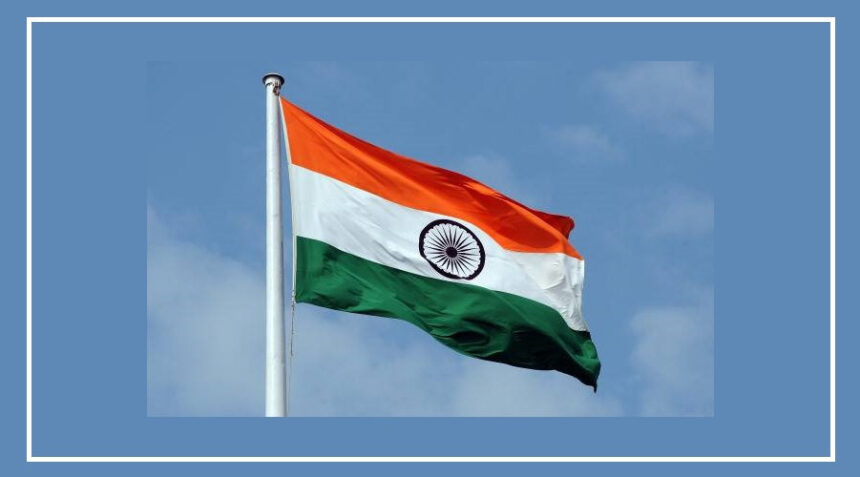
“Jana Gana Mana” was adopted as the national anthem
“Vande Mataram” was given the status of the national song
Both are considered symbols of national pride.
Why the Song Has Also Been Controversial
Despite its patriotic significance, “Vande Mataram” has also faced debate over certain verses.
While the first two stanzas are widely accepted, later parts of the song include references to Hindu goddesses like Durga and Lakshmi.
This has led to objections from some groups over religious interpretation.
Because of this, only the first two stanzas are commonly used in public and official events.
Government’s Push to Highlight the Song
In recent times, the government has taken steps to give more prominence to “Vande Mataram.”
Reports suggest that:
All six stanzas were encouraged during its 150th anniversary celebrations
Government events were asked to include the national song
When both are played together, “Vande Mataram” should be performed first
These steps indicate a broader effort to promote its historical and cultural importance.
Political and Public Reactions
The timing of the Cabinet decision is also being discussed in political circles, coming shortly after a major electoral victory for the ruling party in West Bengal — a state closely linked to the song’s origin.
Supporters say the move strengthens respect for national symbols and honours India’s freedom struggle heritage.

Critics, however, may raise concerns about free speech and whether such laws could limit expression in symbolic or cultural contexts.