The Uttar Pradesh government is planning a major policy change that could allow employees in IT companies, startups, and large industrial units to work from home for two days every week.
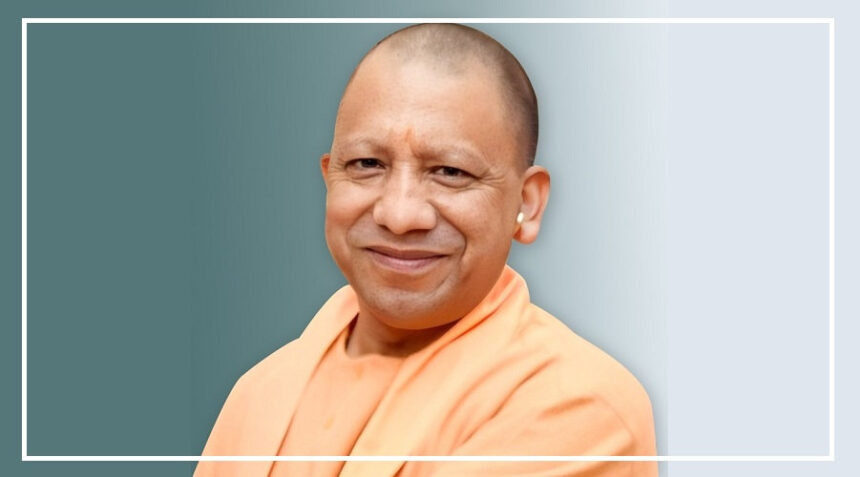
Chief Minister Yogi Adityanath has reportedly directed officials to prepare a state-level advisory that promotes hybrid work in workplaces with large employee strength.
The move is part of a broader effort to reduce fuel consumption and manage rising energy costs.
Why the Hybrid Work Proposal Is Being Considered
The proposal comes at a time when global crude oil prices remain high and geopolitical tensions in West Asia are affecting fuel supply and costs.
India is also facing pressure on fuel imports, which has pushed governments to explore ways to reduce unnecessary fuel usage.
By reducing daily office commuting, even for two days a week, officials believe it could:
Cut fuel consumption
Reduce traffic congestion
Ease pressure on city infrastructure
Noida, Ghaziabad and Lucknow to Be Most Affected
If implemented, the advisory will mainly impact major job hubs such as:
Noida
Greater Noida
Ghaziabad
Lucknow
These cities are home to large IT parks, startups, industrial clusters, and corporate offices that employ lakhs of people.
Officials believe hybrid work in these regions could significantly reduce peak-hour traffic and improve daily commute conditions.
PM Modi’s Fuel-Saving Appeal Behind the Move
The proposal follows Prime Minister Narendra Modi’s recent appeal asking citizens and organisations to:
Reduce unnecessary travel
Use work-from-home options where possible
Shift to virtual meetings
Save fuel wherever possible
UP’s hybrid work plan is now being seen as one of the strongest state-level responses to this appeal.
Reports also suggest the state government is considering additional measures such as:
Reducing official vehicle use by 50%
Promoting public transport and metro travel
Encouraging carpooling and electric vehicles
Increasing virtual meetings in government departments
How Work From Home Thinking Is Changing in India
The idea of work from home has changed significantly in recent years.
During the Covid-19 pandemic, it was seen mainly as a temporary safety measure.
Now, governments are increasingly linking hybrid work to long-term goals such as:

Fuel conservation
Traffic reduction
Pollution control
Urban sustainability
The UP government is also considering initiatives like:
Weekly “No Vehicle Day” campaigns
More online workshops and meetings
Expanding virtual government operations
Impact on IT and Startup Sector
The proposed advisory is expected to have the biggest impact on:
IT services companies
Startup offices
BPOs
Technology parks
Digital-first businesses
Experts say companies already using cloud systems, video conferencing tools, and hybrid HR policies can adapt more easily.
Noida, in particular, could see a major shift, as it is one of North India’s fastest-growing IT and startup hubs.
Mixed Reactions From Employees and Experts
The proposal has received mixed responses.
Supporters believe it could:
Reduce daily commuting costs
Lower office expenses for companies
Ease traffic congestion
Help save fuel at a large scale
However, critics point out challenges such as:
Manufacturing and industrial work cannot shift online
Monitoring productivity remotely can be difficult in some sectors
Many companies have already returned to full office work after the pandemic
A Return of Hybrid Work Culture in India
The UP proposal comes shortly after similar discussions in other regions:
Delhi issued a 2-day WFH advisory
Some PSU departments explored limited WFH options
IT unions demanded broader hybrid work policies
This shows a gradual shift toward structured hybrid work models across India.
Why This Decision Matters
The Uttar Pradesh plan shows that work-from-home is no longer just an HR policy.
It is now being seen as:
A tool for fuel saving
A solution to traffic problems
A step toward environmental sustainability
A part of broader economic planning
The bigger trend is clear—India is beginning to treat hybrid work as part of its long-term energy and infrastructure strategy during times of global uncertainty.