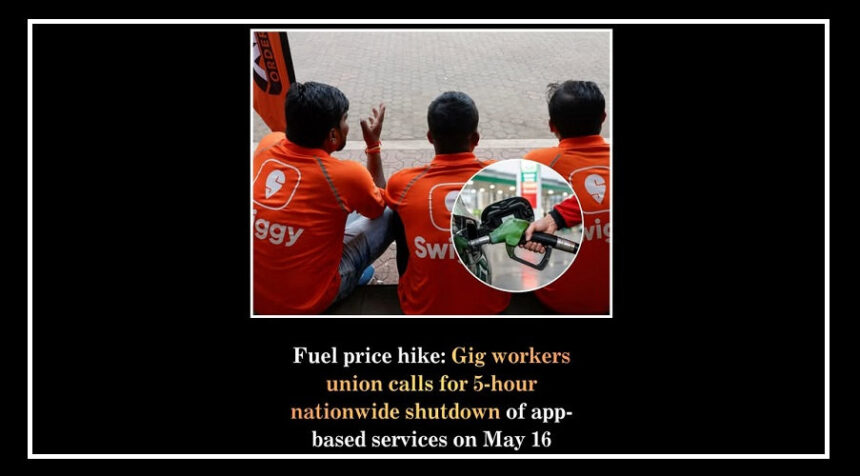
India’s app-based gig economy is facing growing tension after petrol and diesel prices were increased by ₹3 per litre across the country.
Gig workers’ unions have announced a temporary nationwide strike, asking delivery riders, cab drivers, and platform workers to stop app-based services for a few hours in protest against rising fuel costs and low earnings.
The protest is expected to impact several popular services, including:
Swiggy
Zomato
Blinkit
Zepto
Ola
Uber
Rapido
Amazon Flex
According to reports, workers have been asked to suspend operations from 12 PM to 5 PM.
Why Gig Workers Are Angry
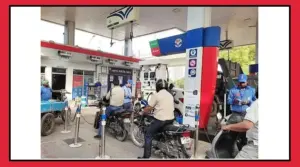
The protest started soon after oil companies increased fuel prices nationwide.
In Delhi, petrol prices have reportedly reached around ₹97.77 per litre, while diesel prices are near ₹90.67 per litre.
Workers say fuel is their biggest daily expense because most delivery partners and drivers depend on motorcycles and scooters to earn a living.
At the same time, many workers claim app companies have not increased payouts despite rising fuel costs and inflation.
Workers Demand Better Pay and Protection
One of the biggest demands from gig workers is a minimum payout of ₹20 per kilometre.
Apart from this, workers are also asking for:
Fuel-linked payment revisions
Health insurance
Accident insurance
Pension and social security benefits
Protection from sudden account suspensions
Limits on excessive working hours
Union leaders say many workers are struggling because a large part of their earnings goes into:
Fuel expenses
Vehicle maintenance
Mobile recharge
Loan EMIs
They also claim that extreme heat conditions and long working hours are making the situation worse.
India’s Gig Economy Is Growing Rapidly
The protest has once again highlighted how important gig workers have become in India’s digital economy.
According to estimates, India had nearly 77 lakh gig workers in 2020-21, and the number could cross 2.3 crore by 2029-30.
Union representatives say around 1.2 crore people currently depend on app-based work for income.
Many of them reportedly:
Work 10 to 14 hours daily
Travel 50 to 70 km every day
Operate without formal labour protections
Food Delivery and Cab Services May Be Affected
The temporary strike could disrupt:
Food delivery services
Grocery delivery
Cab bookings
Quick commerce operations
Major cities likely to see the biggest impact include:
Delhi
Mumbai
Bengaluru
Hyderabad
Chennai
Kolkata
However, unions have clarified that the protest is intended to remain peaceful and awareness-focused.
Bigger Debate Around Gig Worker Rights
The protest has also restarted a larger discussion about the future of India’s platform economy.
Workers argue that whenever fuel prices rise, their take-home income immediately falls because most operational costs are pushed onto them.
At the same time, companies are also dealing with rising business costs, competition, and pressure to remain profitable.
This growing conflict between:
Worker earnings
Platform profits
Consumer affordability
…is becoming increasingly difficult to manage.
Why This Issue Matters
Millions of Indians now rely on app-based services every day, from food delivery to ride bookings.
But the workers powering these services say they remain highly vulnerable to inflation, fuel price shocks, and unstable earnings.
The bigger question now is whether temporary protests like this could eventually turn into a larger nationwide movement demanding stronger labour rights and fixed minimum earnings for gig workers.