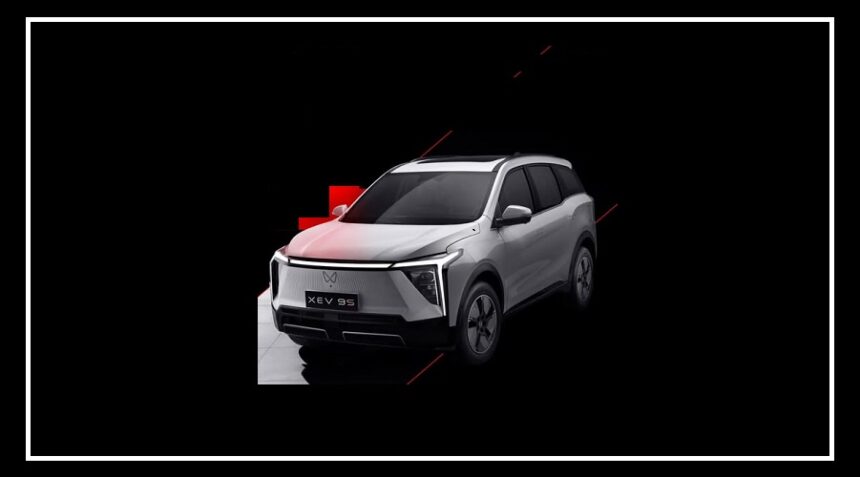
Today, India is one of the fastest-growing markets for electric vehicles.
Big companies like Tata Motors, Mahindra, Hyundai, Kia and MG Motor are offering many modern EVs.
But long before this boom, a small two-seater car quietly started India’s electric journey.
It was called the Lovebird electric car, and it is considered India’s first electric car.
When Lovebird Was Launched
The Lovebird was launched in 1993, at a time when most people in India had never even heard of electric vehicles.
It was developed by Eddy Current Controls India with support from Yaskawa Electric.
Production took place in Kerala and Tamil Nadu.
When the car was showcased at the Auto Expo in Delhi, it grabbed a lot of attention.
Even the government supported the project, seeing it as a step towards cleaner transport.
Features That Were Ahead of Time
The Lovebird was a small two-seater electric car designed mainly for city use.
It came with a DC motor and a rechargeable lead-acid battery.
At that time, lithium-ion batteries were not available, so the technology was quite basic compared to today.
On a full charge, the car could run up to 60 km, which was decent for short trips.
However, it took around 8 hours to fully charge.
It also had a 4-speed gearbox, reverse gear, and an electronic system to control speed smoothly.
But it had limitations, like not being able to climb steep slopes, which made it less useful in hilly areas.
Why the Lovebird Failed
Despite being innovative, the Lovebird could not succeed in the market.
One major reason was the lack of charging stations.
People also faced frequent power cuts, which made using an electric car difficult.
The car was also expensive for that time, making it hard for common buyers to afford.
In addition, most people preferred bigger and more powerful vehicles.