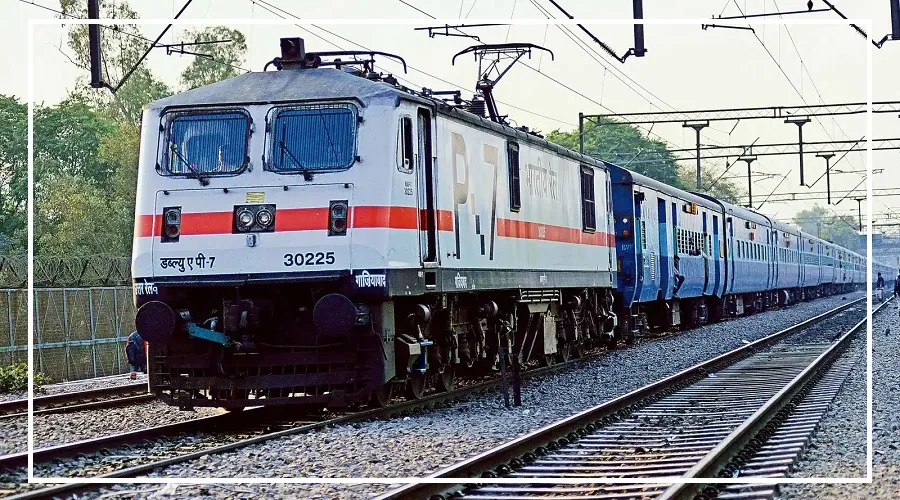
Indian Railways has introduced stricter rules for passengers travelling without a valid ticket.
In a major move, the minimum penalty for ticketless travel has been increased from ₹250 to ₹500.
The new rule came into effect on June 20, 2026, and is aimed at reducing unauthorized travel and improving compliance across the railway network.
If you frequently travel by train, it is important to know about these changes to avoid paying a hefty fine.
Why Has Indian Railways Increased the Penalty?
Ticketless travel has been a major problem for Indian Railways for years.
It not only causes huge revenue losses but also creates operational challenges.
By increasing the minimum fine, railway authorities hope to discourage passengers from travelling without tickets and encourage everyone to follow the rules.
The revised penalty has been introduced under the Jan Vishwas (Amendment of Provisions) Act, 2026.
Who Can Be Fined Under the New Rules?
The new penalty does not apply only to passengers travelling without tickets.
Action can also be taken against people who:
Travel without a valid ticket
Use an already-used ticket
Travel fraudulently by violating ticketing rules
Misuse railway services to avoid paying the correct fare
Railway officials believe stricter enforcement will help create a fairer travel system for all passengers.
What Does the Railway Act Say?
Under Sections 137 and 138 of the Railway Act, 1989, passengers found travelling without proper authorization can face penalties.
Apart from the minimum fine of ₹500, passengers may also have to pay the fare for the distance travelled.
In some cases, if railway officials cannot determine where the passenger boarded the train, the fare may be calculated from the train’s starting station, which could significantly increase the amount payable.
Refusing to Pay Could Lead to Legal Trouble
Passengers who refuse to pay the fare and penalty may face legal action.
Railway authorities can take the matter to a competent court to recover the dues.
Depending on the circumstances, the court may impose additional fines, imprisonment, or both.
This shows that Indian Railways is taking ticketless travel much more seriously than before.
The Scale of the Problem Is Huge
Recent figures highlight why stricter rules have become necessary.
In May alone, Central Railway collected around ₹40.85 crore in fines from nearly 4.96 lakh passengers caught travelling without valid tickets.
These numbers reveal how widespread the issue is and why authorities are focusing on stronger enforcement measures.
What Should Passengers Do?
The safest way to avoid penalties is simple—always travel with a valid ticket.
Before boarding a train, make sure you have:
A valid ticket
The correct train reservation
The right coach and class details

Even a small violation could now result in a much higher penalty than before.
A Clear Message From Indian Railways
With the minimum fine now doubled, Indian Railways is sending a strong message against ticketless travel.
The goal is to improve discipline, reduce revenue losses, and ensure a smoother travel experience for genuine passengers.
For travelers, the takeaway is clear: purchase a valid ticket before boarding and avoid unnecessary fines and legal complications.