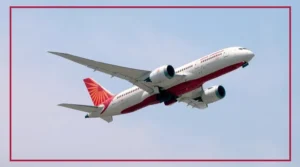
The Maharashtra government has reduced the Value Added Tax (VAT) on Aviation Turbine Fuel (ATF) from 18% to 7%.
The decision is expected to lower pressure on airlines and help control rising air ticket prices.
The new tax rate came into effect on Friday and is being seen as a major relief for the aviation industry, which has been struggling with rising fuel costs and global uncertainty linked to the ongoing West Asia crisis.
Union Civil Aviation Minister Kinjarapu Ram Mohan Naidu thanked Maharashtra Chief Minister Devendra Fadnavis for the move, calling it a timely step for the aviation sector.
Why This Decision Matters
Aviation Turbine Fuel is one of the biggest expenses for airlines.
In many cases, fuel costs make up 30% to 40% of an airline’s total operating expenses.
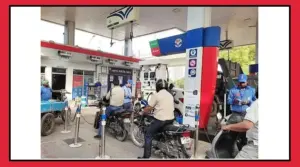
Due to tensions in West Asia, crude oil prices have become unstable, increasing the cost of ATF and putting pressure on airlines.
As a result, many airlines have been forced to deal with higher operating costs and fare-related challenges.
By reducing VAT on aviation fuel, Maharashtra is helping airlines reduce some of that financial burden.
Maharashtra Has One of India’s Busiest Air Networks
Maharashtra is one of the most important aviation hubs in India.
The state currently has 16 operational airports and handles nearly 75 million passengers every year.
Around two lakh passengers travel daily through airports in the state.
According to the Civil Aviation Minister, the lower VAT will support flight operations across these airports and benefit a large number of travelers.
Government Already Taking Steps to Support Airlines
The central government has also introduced several measures to support the aviation sector during difficult global conditions.
These steps include:
Capping ATF prices for domestic airlines
Reducing airport charges
Providing support through the Emergency Credit Linkage scheme
The government says it is continuing discussions with other states as well to encourage similar tax reductions.
Could Other States Follow Maharashtra?
VAT on aviation fuel is decided by state governments, and rates vary widely across India.
In some states, VAT on ATF can range from 4% to 30%.
Experts believe Maharashtra’s decision could encourage other states to lower taxes too, especially as airlines continue to face pressure from rising costs and disruptions on international routes.
The move is also expected to make Maharashtra airports more competitive compared to airports in neighboring states with lower fuel taxes.
What It Means for Passengers
If airlines get relief on fuel costs, passengers could benefit through more stable airfares and improved flight operations.
While ticket prices may not fall immediately, the tax cut is expected to help airlines avoid sharp fare increases during a time of global uncertainty.