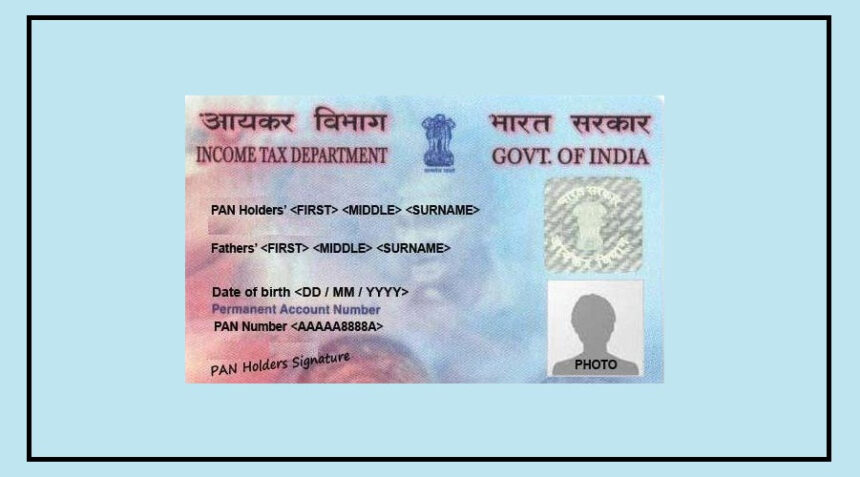
Just like the Aadhaar Card, the PAN Card has become essential for almost every financial activity in India.
From banking to big purchases, you simply can’t avoid it.
Now, starting May 1, new PAN-related rules are coming into effect—and they could directly impact your daily transactions.
Here’s a simple breakdown of what’s changing.
New PAN Rules: Where You’ll Need It Now
The government is tightening checks on high-value transactions.
This means you’ll need to share your PAN details more often.
If you deposit or withdraw more than ₹10 lakh in a year from a bank or post office, PAN will be mandatory.
Spending big on lifestyle? If your bill at a hotel, restaurant, or event crosses ₹1 lakh, you’ll need to provide PAN details.
Planning to buy a vehicle? If you purchase a bike or car worth more than ₹5 lakh, PAN is required.
Buying property? For any property deal above ₹20 lakh, PAN is compulsory.
In short, the government will now keep a closer eye on major financial activities to increase transparency.
Aadhaar-PAN Linking: Deadline You Shouldn’t Ignore
Another important update is about linking your PAN with Aadhaar.
This will become mandatory from January 1, 2026.
If you haven’t linked them yet, you could face issues like your PAN becoming inactive, which can block important financial tasks.
How to Link Aadhaar with PAN (Step-by-Step)
Linking your Aadhaar and PAN is simple and can be done online through the Income Tax Department India portal.
First, visit the e-filing website and register if you’re a new user.
Log in using your user ID and password.
Look for the “Link Aadhaar” option. If you don’t see it directly, go to “My Profile” and then “Personal Details.”
Enter your Aadhaar number and click on “Validate.”
Once done, you’ll receive a confirmation message.
The request is then processed by UIDAI, and your PAN gets linked successfully.
A small fee may also apply for this process.
Final Takeaway
These new rules aim to track large transactions and reduce financial fraud.
While they may seem strict, staying updated and compliant will save you from future trouble.
If you use your PAN regularly, now is the time to understand these changes and act accordingly.