
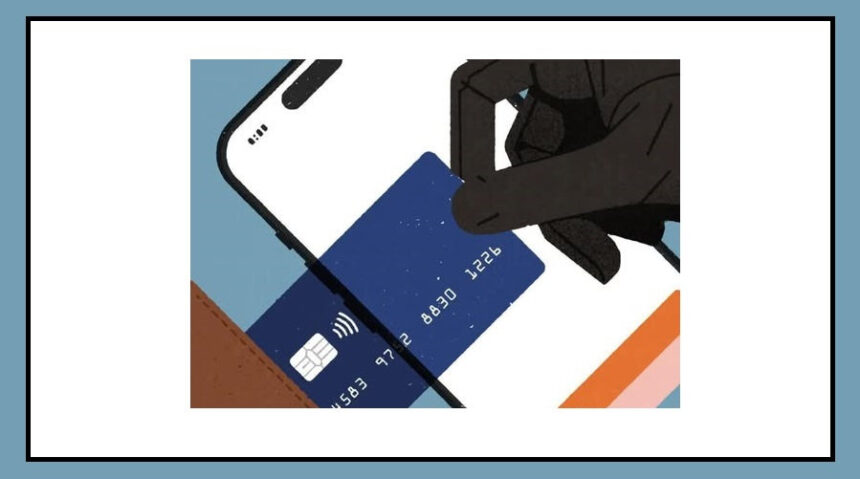
In today’s digital world, people are using digital wallets more than ever—especially for cryptocurrency transactions.
While this makes payments faster and easier, it also opens the door to new types of scams.
Recently, the Indian Cyber Crime Coordination Centre issued a warning about rising cryptocurrency fraud.
Scammers are actively targeting users of platforms like Trust Wallet and similar apps.
The good news is that with the right precautions, you can protect yourself.
How These Scams Actually Work
Cybercrime experts, including the National Cybercrime Threat Analytics Unit, have noticed a sharp rise in fraud cases.
Most scams happen through peer-to-peer (P2P) interactions.
This means scammers contact you directly—without involving banks or official platforms.
They try to build trust and convince you to take quick actions.
Once you fall into the trap, they guide you step-by-step until they gain access to your wallet.
WhatsApp & Telegram: The Scam Hotspots
Fraudsters often reach out through popular messaging apps like WhatsApp and Telegram.
Here’s how the trap usually unfolds:
You receive a message offering help, investment tips, or urgent verification
You are redirected to a fake website
The site asks you to connect your crypto wallet
Once connected, scammers quietly transfer your funds
The biggest risk? These transactions are irreversible.
Once your money is gone, it’s almost impossible to recover.
Simple Steps to Stay Safe
Protecting your digital wallet doesn’t have to be complicated. Just follow these key precautions:
Avoid unknown websites: Never connect your wallet to links you don’t trust
Keep your details private: Do not share your seed phrase or sensitive data
Double-check links: Always verify websites before taking action
Remove risky access: Disconnect suspicious apps (dApps) from your wallet
Stay alert: Be cautious when someone asks for wallet access, even if it seems genuine
What to Do If You Get Scammed
If you suspect fraud, act quickly:
Call the national cybercrime helpline 1930
Report the incident on the official portal: Cyber Crime Portal India