
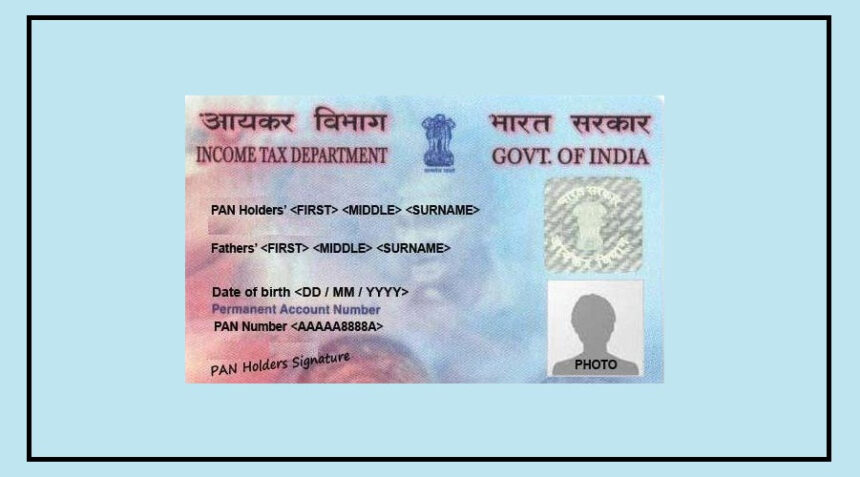
The government has introduced new Income Tax Rules for 2026, bringing major changes to how PAN cards are used in financial transactions.
The aim is to make the tax system more transparent and keep a closer watch on large transactions.
Under the new rules, PAN requirements have been relaxed for some small transactions. At the same time, PAN has become mandatory for many high-value purchases and investments.
The government has also replaced the old Form 60 with the new Form 97, although this new form will only be valid in limited situations.
Because of these changes, it is important for people to understand where PAN is now compulsory and where exemptions have been given.
Relief in Small Everyday Transactions
The government has removed PAN reporting requirements for some low-risk and common transactions. This decision is expected to make banking and daily financial work easier for ordinary citizens.
Transactions such as buying foreign currency, purchasing bank drafts or pay orders with cash, and some prepaid payment instruments will now face fewer restrictions. According to the government, small transactions should not require unnecessary paperwork.
This move may also help banks process transactions faster and reduce delays for customers.
PAN Mandatory for Purchases Above ₹2 Lakh
One of the biggest changes is that PAN will now be compulsory for buying goods or services worth more than ₹2 lakh.
The government wants to track expensive purchases more effectively to stop tax evasion and reduce unaccounted money in the system. If someone buys costly products, the tax department will be able to access the records more easily.
This rule is expected to affect purchases such as luxury items, expensive electronics, premium products, and large cash transactions.
Stricter Rules for Gold Jewelry Buyers
Gold jewelry purchases have also come under stricter monitoring. Anyone buying gold worth more than ₹2 lakh must provide their PAN details.
The government believes that high-value gold purchases are often linked to black money transactions. Because of this, jewelers will now have to maintain proper customer records for such purchases.
Another important point is that Form 97 will not be accepted in these cases. Buyers planning to purchase expensive jewelry should make sure their PAN details are ready in advance.
PAN Now Important for Investments
The new rules make PAN compulsory for many investment-related activities.
A PAN card will now be required for:
Opening a demat account
Applying for a credit card
Investing more than ₹50,000 in mutual funds or bonds
The government wants to connect all major investment activities directly with PAN to improve investor identification and reduce tax irregularities.
People who invest regularly are advised to keep both their PAN and Aadhaar details updated to avoid future problems.
Banking and Cash Transaction Rules Become Tighter
The government has also tightened PAN rules for banking transactions.
PAN will now be mandatory for:
Cash deposits above ₹10 lakh
Cash withdrawals above ₹10 lakh
Securities transactions above ₹1 lakh
Transactions involving unlisted shares
Banks and financial institutions may also have to report these transactions to authorities. The goal is to detect suspicious financial activities more quickly and improve monitoring of large money movements.
Form 97 Replaces Form 60
The old Form 60 has now been replaced with Form 97.
According to the government, Form 97 is designed to be more digital, simpler, and less prone to mistakes because many details can be filled automatically.

However, the government has clearly stated that Form 97 cannot replace PAN for high-value transactions. It will only be valid in limited cases where PAN is not compulsory.
What These Changes Mean for Citizens
The new PAN rules will affect ordinary citizens, investors, traders, and businesses across the country.
Conducting large financial transactions without a PAN will now become much more difficult. People who still do not have a PAN card are advised to apply as soon as possible.
The government is also expected to increase PAN-linked monitoring in the future, which means PAN and Aadhaar linking should be completed on time to avoid problems later.