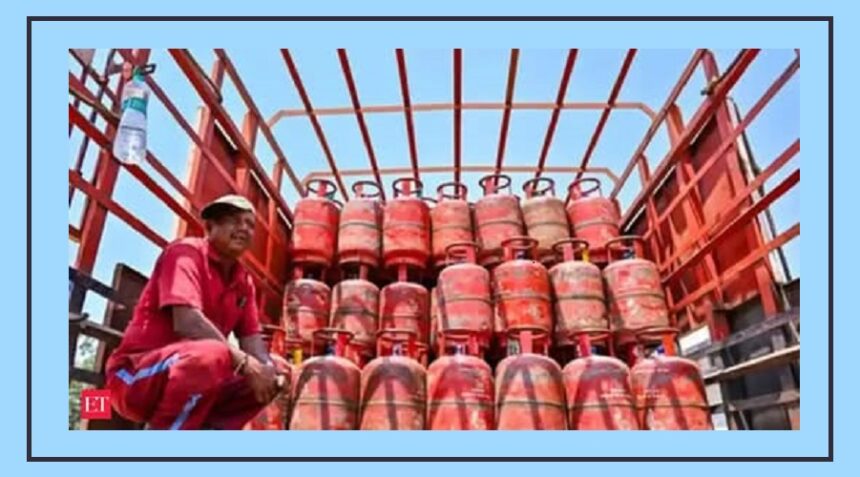
The government has made new changes to LPG cylinder rules starting May 1.
These changes come after disruptions in oil and gas supply from the Middle East.
The main aim is to avoid panic and make sure gas supply continues smoothly across the country.
No More Double Gas Connections
One of the biggest changes is related to households using both LPG cylinders and PNG (piped gas).
The government has started identifying such homes.
If a household already has PNG connection, they will now have to give up their LPG connection.
This rule was first announced on March 14 and is now being strictly followed.
Such users will not be allowed to refill or get a new LPG connection.
Oil companies have also been told not to supply LPG to these consumers.
So far, more than 43,000 people have already surrendered their LPG connections.
New Rules for Booking and Delivery
Customers using Indane, Bharat Gas, and HP Gas will now have to follow new rules.
The gap between two cylinder bookings has been increased.
In cities, you can now book a cylinder after 25 days (earlier 21 days)
In rural areas, the gap is now 45 days
Apart from this, OTP-based delivery has been made compulsory.
Customers will also need to complete their KYC updates.
Commercial Gas Prices See Sharp Increase
The price of commercial LPG cylinders has gone up multiple times since March 2026.
March 1: Price increased by ₹28 to ₹31
March 7: Another hike of ₹114.5 per cylinder
April: Prices increased by ₹196 to ₹218 in big cities
May 1: Latest hike of up to ₹993
These repeated increases have made commercial gas much more expensive.
Why Are Gas Prices Rising?
The main reason behind rising gas prices is tension in West Asia.
Due to this situation, the Strait of Hormuz — a key route for oil and gas imports — has been affected.
This has made supply more difficult and expensive.
Government Assurance on Supply
Despite global challenges, the government has assured that there will be no shortage of gas.
It has promised 100% supply of LPG, pipeline gas, and CNG for transport.
The focus is also on keeping prices as stable as possible.
These new rules and price changes will directly impact households and businesses, so it’s important to stay updated and plan accordingly.