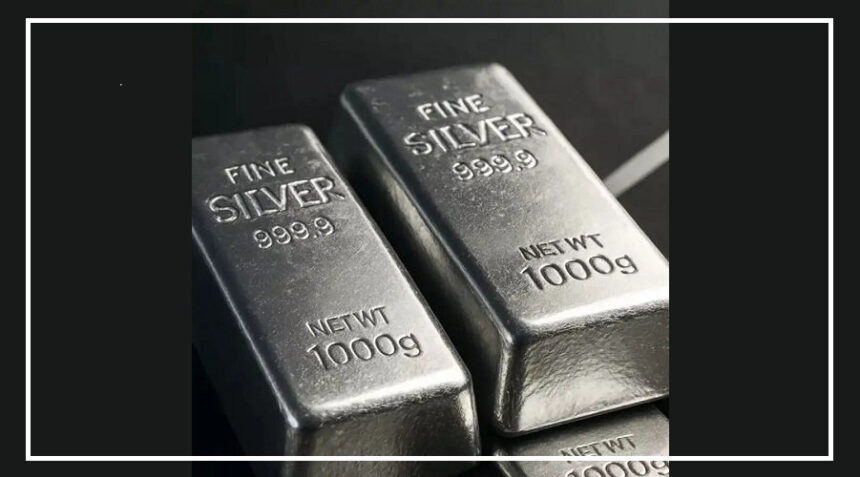
The Indian government has introduced stricter rules for importing silver, moving certain types of silver bars from the “free” category to the “restricted” category.
This change has been announced by the Directorate General of Foreign Trade (DGFT) and comes into effect immediately.
The decision is aimed at increasing control and monitoring of precious metal imports in the country.
What Does the New Rule Mean for Silver Imports?
Under the new policy, importing silver is no longer as simple as before.
Silver bars with 99.9% or higher purity now fall under restricted imports
Importers may need a government license or official approval
Silver alloyed with gold and platinum is also included under this rule
Earlier, silver could be imported more freely under existing RBI guidelines.
Now, stricter permission rules have been introduced to regulate the flow of imports.
Why Has the Government Taken This Step?
The government has recently increased its focus on controlling precious metal imports.
Just days before this decision, customs duty on metals like gold and silver was raised from 6% to 15%.
With silver now placed in the restricted category, every import will require closer monitoring through licensing and approval systems.
This move is expected to help the government better regulate imports and manage trade balances.
Rising Silver Imports and Economic Impact
Interestingly, this decision comes at a time when silver imports have seen a sharp rise.
Silver imports jumped 157% in April, reaching $411 million
Last fiscal year, imports increased nearly 150% in value
In terms of quantity, imports rose 42% to over 7,300 tonnes
Experts say higher prices and strong industrial demand have contributed to this surge.
However, the increase in gold and silver imports has also widened India’s trade deficit, which recently hit a three-month high of $28.38 billion.