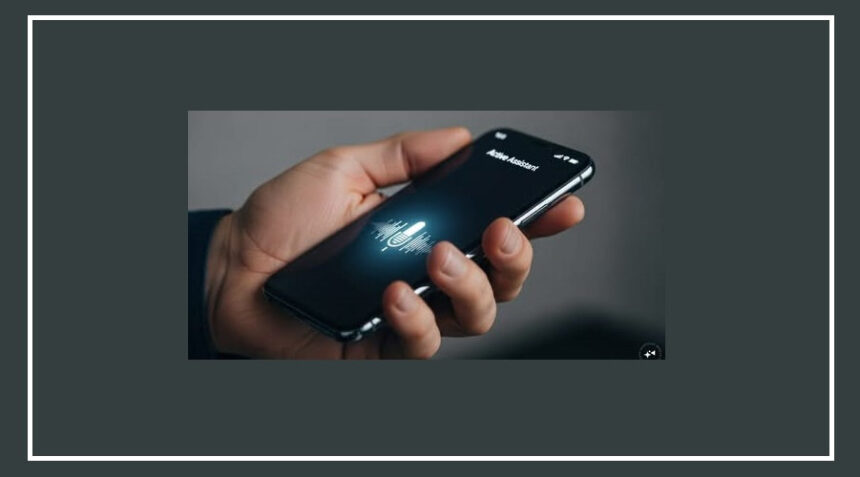
The Indian government has introduced VoicEra at the India AI Impact Summit 2026 — an open-source voice AI stack designed to make building and deploying voice-based technology easier across the country.
Voice has quietly become one of the most powerful tools in the digital world.
On platforms like WhatsApp, many users have skipped typing altogether and switched to voice messages to communicate faster and more naturally.
Now, the government wants to bring that same convenience to public services and Indian developers.
What Is VoicEra and Why It Matters
VoicEra is an open-source AI stack focused entirely on voice capabilities.
In simple terms, a “stack” is a complete toolkit that developers need to build and run a feature.
In this case, it allows companies, startups and government bodies to create voice-powered applications without depending on foreign platforms.
The goal is to support locally built AI voice models that can work smoothly in Indian languages and dialects.
This could make digital services more accessible to millions of people, especially those who prefer speaking over typing.
The move also supports the idea of keeping data within India, improving security and reducing reliance on global tech companies.
Key Features of the VoicEra AI Stack
VoicEra has been designed to be flexible and scalable. Developers can customise it based on their needs and expand it as their platforms grow.
It works across devices and platforms through voice APIs, meaning it can be integrated into apps, websites, or even government systems without major technical hurdles.
Because it is open-source, developers can build different types of voice-enabled tools.
These could include virtual assistants, translation systems, customer support bots or even voice-based access to government services.
Another major advantage is local hosting. Organisations can run these services on Indian servers instead of relying on overseas infrastructure.
Why India Needs a Voice AI Ecosystem
The India AI Impact Summit 2026 highlighted the growing need for sovereign AI — technology that is built, hosted and controlled within the country.
As more people adopt voice communication through apps like WhatsApp and digital assistants, voice is becoming a primary way to interact with technology.
VoicEra aims to bridge the gap by bringing voice technology into everyday public systems.
This could eventually mean accessing government services, information and support simply by speaking.
If implemented at scale, VoicEra could help make digital India more inclusive, secure and accessible — especially for users who are more comfortable speaking in their native language than typing in English.