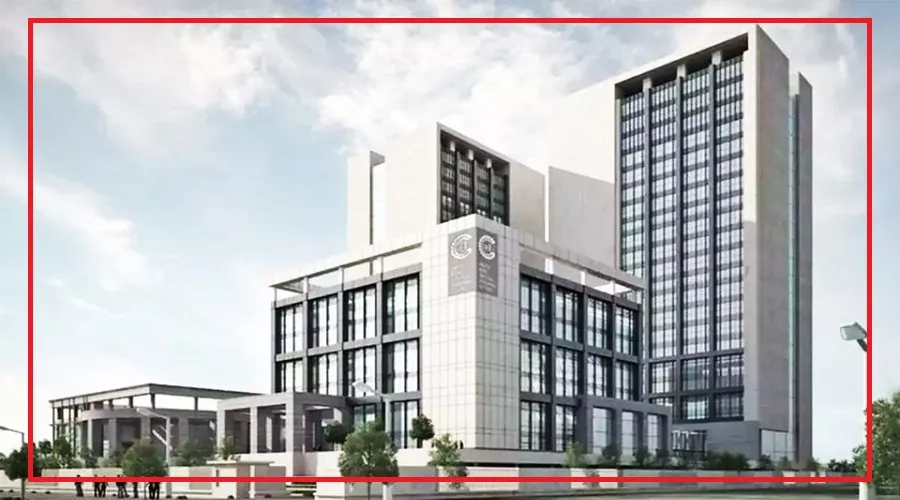
The Agra Development Authority (ADA) has launched the Greater Agra Housing Scheme, giving homebuyers and investors a chance to apply for residential plots in two newly planned townships.
Online registration started on June 29 and will remain open until July 29, 2026.
If you are planning to buy a plot in Agra, experts advise not to make a decision based only on the project’s launch.
Since buying land is a long-term investment, it is important to understand the costs, rules and possible risks before applying.
Greater Agra Housing Scheme at a Glance
The first phase of the scheme includes Narmadapuram Township and Gangapuram Township.
Total plots: 1,626
Narmadapuram: 718 plots
Gangapuram: 908 plots
Plot price: ₹33,000 per square metre
Registration started: June 29, 2026
Last date to apply: July 29, 2026
Application mode: Online only (offline applications will not be accepted)
Interested buyers can choose their preferred plot and complete the registration through ADA’s online portal.
What Is the Greater Agra Housing Scheme?
The Greater Agra Housing Scheme is a major development project by the Agra Development Authority with an estimated cost of ₹5,142 crore.
The project will be developed over 449.65 hectares near Raipur and Rahankalan.
It aims to transform Agra into a modern planned city with better infrastructure and residential facilities.
The master plan includes 10 river-themed townships featuring residential plots, apartments, group housing, roads, green spaces, healthcare facilities and other modern amenities.
The area will also have connectivity to the Inner Ring Road, Yamuna Expressway and Lucknow-Agra Expressway.
Why Is the Scheme Getting Attention?
Government-backed township projects often attract both homebuyers and investors because they usually offer planned infrastructure, better road networks and basic civic amenities.
However, real estate experts say that a planned township does not automatically guarantee that property prices will rise in the future.
Price appreciation depends on several factors, including timely completion of the project, infrastructure development, connectivity, local demand and employment opportunities.
Who Can Consider Applying?
The scheme may be suitable for different types of buyers.
First-time homebuyers: Those planning to build their own home instead of buying a ready-made apartment.
End users: Families looking for a residential plot where they can construct a house according to their own needs.
Long-term investors: People willing to hold the property for several years.
However, experts caution that future returns cannot be guaranteed.
Costs You Should Calculate Before Buying
The price of the plot is only one part of the total investment. Buyers should also include other expenses in their budget, such as:
Registration charges
Stamp duty
Development charges

House construction cost
Electricity and water connection charges
Property tax
Maintenance expenses
Planning for these costs in advance can help avoid financial surprises later.
Know the Risks Before Investing
Like any real estate investment, buying a plot also carries certain risks.
These may include delays in infrastructure development, late possession, changes in government policies, fluctuations in property demand, difficulty in reselling the plot and future maintenance costs.
Experts recommend understanding these factors before making any investment decision.
Check These Documents Before Applying
Before paying the registration fee or submitting an application, carefully review all official documents related to the scheme.
Make sure you understand:
Plot size and location
Payment schedule
Refund and cancellation policy
Development timeline
Possession process
Terms and conditions
Experts also advise relying on official documents instead of advertisements or promotional material.
Is Legal Verification Necessary?
Although the project is being developed by a government authority, legal verification is still recommended.
Buyers should carefully read the eligibility criteria, payment deadlines, penalty clauses, transfer rules and possession conditions.
If anything is unclear, consulting an experienced property lawyer before investing can help avoid future disputes.
Does a Government Project Guarantee High Returns?
Many buyers assume government-backed projects always deliver strong returns, but experts say that is not always true.
The future value of any property depends on factors such as infrastructure development, connectivity, employment growth, market demand and government policies.
Neither the government nor the developer can guarantee that property prices will increase.
For this reason, buyers should evaluate the project’s location, legal approvals, infrastructure plans and long-term growth potential before making a final decision.