Parts of Hyderabad and Secunderabad are facing an unusual fuel situation.
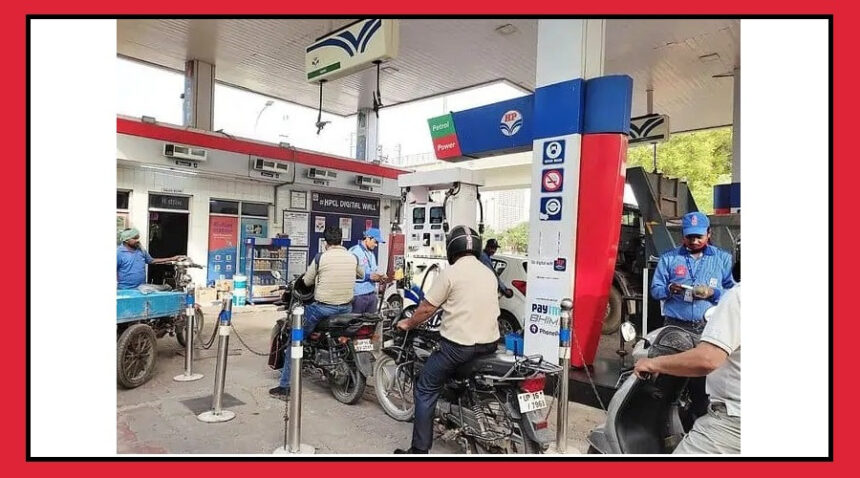
Several petrol pumps have stopped selling regular petrol and are offering only premium fuel.
The cause isn’t policy—it’s a mix of panic buying and temporary supply stress.
Here’s a simple breakdown of what’s happening and why it matters.
Regular petrol unavailable at many pumps
Motorists visiting fuel stations are finding regular petrol out of stock, leaving only premium variants.
This has forced drivers to either:
Pay around ₹10 extra per litre for premium petrol
Visit multiple pumps in search of normal fuel
The sudden shortage is creating inconvenience for daily commuters.
Panic buying drives the surge
The main reason behind this situation is panic buying.
Consumers rushed to fill their tanks, fearing fuel shortages
Petrol pump operators reported daily sales nearly doubled in some areas
Demand spiked far beyond normal levels, quickly exhausting stocks of regular petrol
The fear stems largely from geopolitical tensions in West Asia, which have pushed global crude oil prices higher.
Even though authorities say India has enough fuel reserves, uncertainty has led to hoarding-like behavior.
LPG shortages add to the problem
The situation isn’t limited to petrol. Auto LPG is also in short supply, affecting autorickshaw drivers.
Many LPG stations have signs saying “out of stock”
Drivers are forced to queue for hours
Some areas report price hikes for LPG, increasing the stress on daily commuters
No nationwide shortage—just perception
Officials and oil companies have clarified:
There is no nationwide petrol or diesel shortage
Supply issues are localized and temporary
Panic buying is the main reason for empty pumps
This shows the problem is distribution and behavior-related, not a real supply crisis.
Takeaway: Perception can create problems
This incident highlights how quickly rumors and global events can impact local supply chains.
Even with sufficient reserves, panic-driven buying can create artificial shortages, making normal fuel hard to find.
For now, authorities urge people to avoid hoarding and rely on official updates rather than speculation.