The path to studying and working in the United States could soon become far more difficult for international students and skilled professionals.
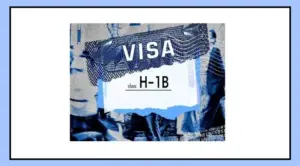
The Trump administration is preparing a new set of immigration restrictions that may affect almost every major route used by foreign talent — from H-1B work visas to student work permits and even employment-based green cards.
Although many of the proposals are still under discussion, companies, universities, and immigration lawyers say the impact is already visible.
Employers are becoming more cautious about hiring foreign workers, while international students are increasingly worried about their future in the US.
For Indians, the issue is especially important.
Every year, Indians receive more than 70% of all H-1B visas issued in the US.
Now, a bigger question is emerging: Is the US slowly becoming less welcoming to global talent?
H-1B Salary Rules Could Change Hiring Decisions
The biggest concern for many professionals is the proposed change in H-1B salary requirements.
In 2025, the administration introduced a $100,000 fee for new H-1B visa holders.
Now, officials are considering another major change — increasing the minimum salary companies must pay foreign workers.
In March 2026, the US Department of Labour proposed new wage rules that could raise salary requirements by nearly 21% to 33%, depending on the job role and experience level.
That means companies may have to spend significantly more money to hire international employees.
The biggest impact could fall on:
Fresh graduates
Young professionals
Mid-level skilled workers
Smaller companies and startups
Experts say many employers may reduce visa sponsorships altogether because hiring foreign workers could become too expensive.
International Students Could Face New Visa Restrictions
International students may also face stricter visa rules in the coming months.
At present, students on F-1 visas can stay in the US as long as they continue their education and maintain valid status.
But the administration is considering replacing this system with fixed visa durations.
This means students could receive a strict expiry date on their visa.
If their degree or research takes longer than expected, they may need fresh approval from the government to continue studying.
Critics say this could create major uncertainty, especially for students pursuing:
PhDs
STEM courses
Long-term research programs
Universities fear many students may choose countries like Canada, the UK, Germany, or Australia instead of the US because of more stable immigration policies.
Why OPT Has Become a Major Concern
Another major issue is the future of Optional Practical Training (OPT).
OPT allows international students to work in the US for up to one year after graduation.

STEM students can work for an additional 24 months through STEM OPT.
For most international students, OPT is extremely important because it gives them time to:
Gain work experience
Find employers willing to sponsor H-1B visas
Enter the H-1B lottery
Reports suggest the administration may introduce restrictions on OPT or even remove parts of the program entirely.
Immigration lawyer Rajiv S. Khanna warned that removing OPT would have serious consequences not just for students, but also for American universities and businesses.
According to him, OPT acts as the bridge between university education and long-term employment in the US.
Without it, students may have only one chance to secure an H-1B visa immediately after graduation or leave the country.
He also said universities could suffer heavily because international students form a large part of graduate research programs in science and technology fields.
Experts Say Smaller Employers Could Be Hit Hard
Khanna also criticised proposals like a possible $200,000 wage floor for H-1B workers.
According to him, such policies could benefit only large tech companies while hurting:
Hospitals
Research labs
Startups
Mid-sized firms
These organisations often rely on skilled foreign professionals but may not be able to offer Silicon Valley-level salaries.
Business groups have also opposed stricter visa rules, arguing that international students contribute billions of dollars to the US economy.
According to NAFSA, international students contributed more than $43 billion to the US economy during the 2023–24 academic year and supported over 378,000 jobs.
Visa Scrutiny Is Already Increasing
Even before the new rules are officially implemented, visa scrutiny has already increased.
A report by the National Foundation for American Policy found rising denial rates in late FY2025 for highly skilled immigration categories such as:
EB-1 extraordinary ability green cards
National Interest Waivers
Officials are now examining applications more aggressively, including:
Salary levels
Job complexity
Educational qualifications
Work experience
The debate over immigration is now tied closely to America’s global competition in industries like artificial intelligence, semiconductors, advanced manufacturing, and scientific research.
The challenge for the US is balancing stricter immigration policies while still attracting the global talent needed to stay competitive.