When politics begins to influence who can teach and research, the impact goes far beyond classrooms.
A new proposal in the US state of Iowa is doing exactly that—raising big questions about the future of global talent in universities.
What Is This New Bill About?
A proposed law called House File 2513 is moving forward in Iowa’s legislature.
It has already passed the state House and cleared early stages in the Senate, bringing it closer to becoming law.
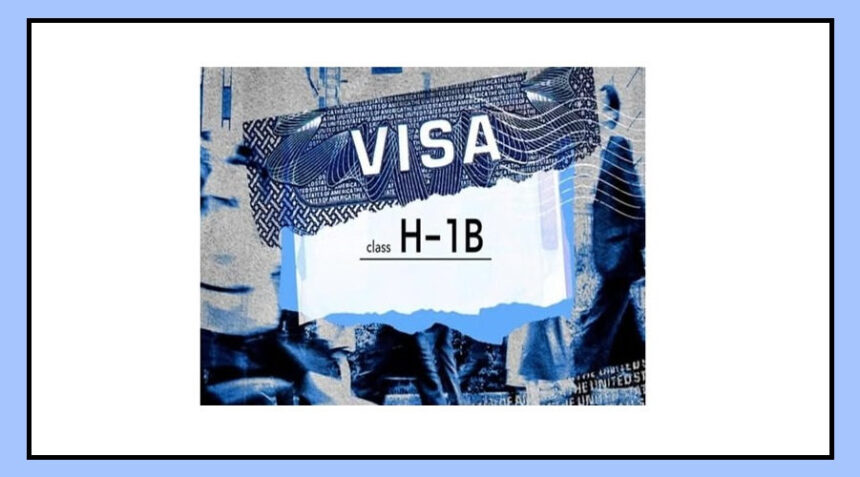
The bill aims to restrict universities and colleges from hiring certain foreign workers on the H-1B visa.
Specifically, it targets people from countries labeled as “foreign adversaries” or “state sponsors of terrorism,” including China, Russia, Iran, North Korea, Cuba, Syria, and Venezuela.
If approved, the rule will apply to new hires starting around mid-2026.
Existing employees are mostly expected to remain unaffected.
Why Supporters Back the Move
Supporters say the bill is about security and jobs.
They argue that limiting hiring from certain countries could reduce risks related to sensitive research and protect opportunities for local workers.
Some lawmakers also believe universities should rely less on foreign talent and focus more on hiring Americans.
Why Critics Are Worried
Not everyone agrees with this approach.
Many experts and educators warn that such restrictions could hurt universities in the long run.
International scholars play a major role in research, innovation, and teaching—especially in fields like science, technology, and medicine.
Limiting this talent pool could reduce academic quality and make institutions less competitive globally.
There are also concerns that such policies could push skilled professionals to other states or countries.
A Bigger Trend Across the US
Iowa is not alone in this shift.
Other states like Texas and Florida have also started reviewing or limiting the use of H-1B visas in public institutions.
This shows a growing national debate—how to balance security concerns with the need for global expertise.
What This Means Going Forward
The bill is still awaiting final approval, so its future is not yet certain.
But its impact could be significant.
If passed, it may change how universities hire, who gets opportunities, and how knowledge flows across borders.
In the end, decisions like these don’t just shape policies—they shape the future of education, research, and innovation.