
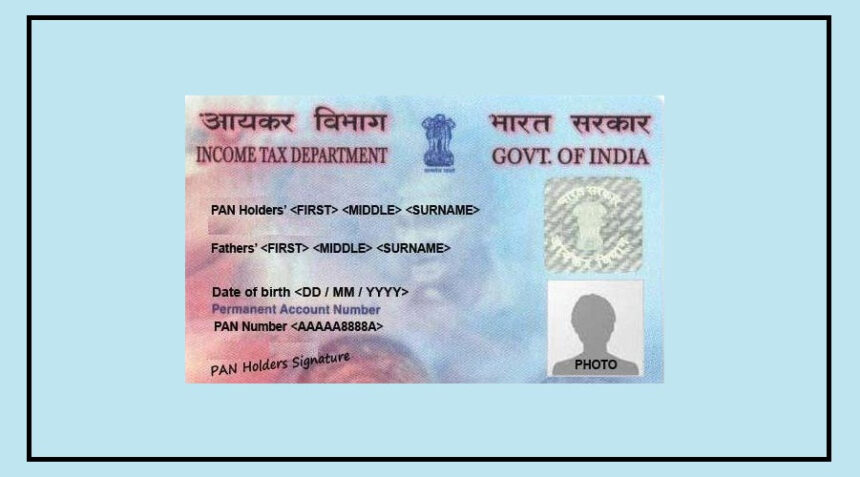
In India, the PAN (Permanent Account Number) is no longer just a tax document. It has become an important financial identity for every citizen.
The Income Tax Department uses PAN to track financial activities and reduce fraud and black money circulation.
Under Rule 114B of the Income Tax Rules, there are several transactions where quoting PAN is mandatory. Not following these rules can lead to penalties or rejection of transactions.
Where PAN is Mandatory
The Income Tax Department has clearly listed situations where PAN must be provided. These include both banking and high-value financial activities.
Banking and Cash Transactions
PAN is required in many banking-related activities such as:
Opening a bank account (except basic savings accounts in some cases)
Applying for credit or debit cards
Opening a Demat account
It is also mandatory in high-value cash transactions like:
Paying more than ₹50,000 in cash at a hotel or restaurant
Spending over ₹50,000 on foreign travel or buying foreign currency
Depositing more than ₹50,000 cash in a bank in a single day
Cash payments above ₹50,000 for bank draft, pay order, or banker’s cheque
Investment, Property, and Big Purchases
PAN is also required for major investments and asset purchases:
Financial Investments
Mutual fund investments above ₹50,000
Purchase of bonds or debentures above ₹50,000
RBI bonds above ₹50,000
Time deposits over ₹50,000 or more than ₹5 lakh in a financial year
Life insurance premium payments above ₹50,000 annually
Digital wallet or prepaid instrument payments above ₹50,000 per year
Property and Large Assets
Buying or selling property worth more than ₹10 lakh or higher stamp value
Purchase or sale of unlisted company shares above ₹1 lakh per transaction
Contracts for securities above ₹1 lakh
Purchase of goods or services above ₹2 lakh per transaction
Buying or selling motor vehicles (except two-wheelers)
What If You Don’t Have PAN?
If a person does not have a PAN, they can submit Form 60 while doing financial transactions.
For minors, parents or guardians can use their PAN if the minor has no taxable income.
Why These Rules Matter
PAN is now a key part of your financial identity, not just a tax number. It helps the government track income, spending, and investments more effectively.
If PAN is not provided:
Your transaction may be rejected

Financial activity may face stricter verification
Income and spending mismatch can trigger notices
You may also face penalties in some cases