

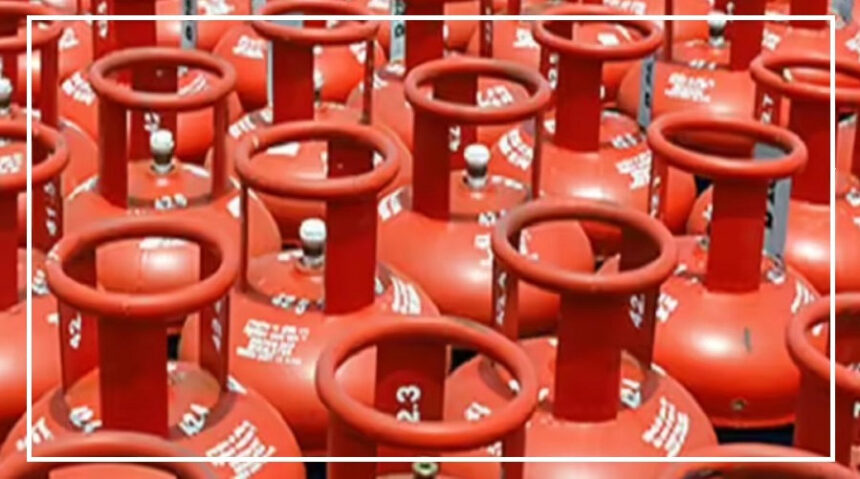
Several important LPG-related rules are either being implemented or closely monitored in June 2026.
These changes could affect millions of households across India, especially those using LPG cylinders for cooking.
From higher commercial cylinder prices and stricter booking rules to mandatory surrender of LPG connections after getting PNG, consumers need to stay updated to avoid disruptions in gas supply and subsidies.
Commercial LPG Cylinder Becomes Costlier
The price of a 19-kg commercial LPG cylinder has been increased by ₹42 in Delhi.
With the latest revision, the price has reached ₹3,113.50 per cylinder, effective from June 1.
However, there has been no change in domestic LPG cylinder prices, providing some relief to household consumers.
Got a PNG Connection? LPG Must Be Surrendered Within 30 Days
The government has amended LPG regulations to encourage the use of Piped Natural Gas (PNG).
Under the new rules, households that obtain a PNG connection must apply for the termination of their LPG connection within 30 days of getting PNG service.
The move is aimed at reducing duplicate gas connections and improving the efficiency of fuel distribution.
Transfer Voucher Offers Relief for Consumers
To make the transition easier, the government has introduced a transfer voucher facility.
Consumers who surrender their LPG connection after getting PNG can receive a voucher that allows them to restore an LPG connection in the future if they move to an area where PNG is not available.
This provision is expected to benefit transferable employees, students, tenants, and families who frequently relocate.
One Household, One LPG Connection Rule
The government has also tightened rules regarding multiple LPG connections.
Under the revised regulations, only one LPG connection will be allowed per household.
Families holding multiple domestic LPG connections are required to surrender the extra connections.
The step is intended to prevent misuse and ensure fair distribution of subsidized cooking gas.
LPG Supply May Stop If PNG Is Available
Another major change affects households located in areas where PNG infrastructure is already available.
According to the new policy, consumers who have access to PNG but do not switch may eventually lose their LPG cylinder supply.
The government plans to discontinue cylinder supply after a specified period for eligible households that continue using LPG despite having PNG access.
The objective is to promote cleaner and more efficient fuel usage.
LPG Cylinder Booking Rules Become Stricter
The minimum gap between domestic LPG cylinder bookings has also been revised.
Urban consumers can now book a refill only after 25 days
Rural consumers must wait 45 days between bookings
Consumers should keep these revised timelines in mind while planning their LPG refills.
e-KYC Now Mandatory for LPG Consumers
The Ministry of Petroleum and Natural Gas has made biometric Aadhaar-based e-KYC mandatory for domestic LPG users.
Failure to complete e-KYC may lead to interruptions in LPG refill services and could also affect subsidy benefits.
For beneficiaries of the Pradhan Mantri Ujjwala Yojana, biometric verification must be completed at the beginning of every financial year before the first refill.
OTP Verification Required for Cylinder Delivery
To improve transparency and prevent misuse, oil marketing companies are strengthening OTP-based delivery systems.
When a cylinder is delivered, customers will receive an OTP on their registered mobile number.
The delivery agent will hand over the cylinder only after verifying this code.
This measure is designed to ensure that cylinders are delivered to the correct consumer.
PNG Expansion Drive Continues Across India
The government’s PNG expansion campaign is also moving forward.
The National PNG Drive 2.0 has been extended until June 30, 2026, with city gas distribution companies being directed to accelerate PNG connections.
The initiative aims to increase the use of piped natural gas and support cleaner energy adoption across urban and semi-urban areas.
What Consumers Should Do Now
With multiple LPG and PNG-related changes taking effect, consumers should review their gas connections, complete pending e-KYC requirements, and understand the new booking and delivery rules.
Households that already have or are planning to get PNG connections should also be aware of the latest surrender and transfer provisions to avoid any inconvenience.
Staying informed now can help prevent disruptions in gas supply and ensure continued access to benefits and services.