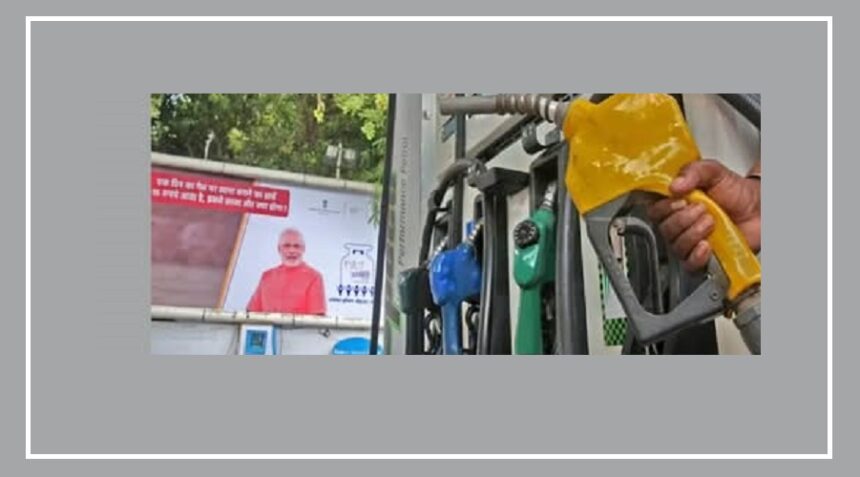
The central government is steadily working to reduce India’s dependence on petrol and diesel. As part of this plan, it is promoting cleaner and alternative fuels like ethanol.
After introducing E20 petrol across the country, the government is now taking the next step. A draft notification has been released to update the Central Motor Vehicles Rules, 1989 and include more ethanol-based fuels.
According to the Ministry of Road Transport and Highways, the new draft (issued on April 27) proposes adding:
E85 fuel (85% ethanol + petrol)
E100 fuel (almost pure ethanol)
This means vehicles in the future could run on much higher ethanol blends.
New Fuel Rules and Categories Explained
As ethanol use increases, fuel classifications are also being updated. Here are the key proposed changes:
Hydrogen vehicles will now use the term Hydrogen+CNG instead of Hydrogen+CN
Petrol fuel labels will change from E10/E to E10/E20
New blends like E85 and E100 will be officially included
Biodiesel category will expand from B10 to B100 (100% biodiesel)
Right now, these rules are open for public feedback. A final decision will be taken after reviewing suggestions.
India has already achieved its E20 target by 2025, and now the focus is on increasing ethanol use further to reduce costly oil imports.
What is E20 Fuel?
Ethanol (C2H5OH) is a biofuel made by fermenting natural sugars. Under the Ethanol Blended Petrol (EBP) program, it is mixed with petrol.
E20 means 20% ethanol + 80% petrol
The number “20” shows the percentage of ethanol
The government may increase this ratio even further in the future, possibly moving towards a 50:50 mix.
India’s Big Goal: 100% Ethanol Blending
Union Minister Nitin Gadkari has suggested that India should aim for 100% ethanol blending in the near future.
He highlighted that global issues, especially tensions in West Asia, can disrupt oil supply. This makes it important for India to become self-reliant in energy.
Speaking at the BusWorld Conclave 2026, he also said that:
Petrol and diesel engines may not have a long-term future
The auto industry should move faster toward clean fuels and better public transport
Aviation Fuel Also Gets an Update
The government has also allowed ethanol and synthetic fuels to be mixed with aviation fuel (ATF).
This change comes under the Essential Commodities Act, 1955. While blending is now allowed, no mandatory targets have been set yet.
The goal is simple:
Reduce pollution
Cut down oil imports
E20 Fuel: Advantages and Disadvantages
While ethanol-blended fuel is good for the environment, it may not suit all vehicles—especially older ones.
Disadvantages for Older Cars
- Risk of corrosion
Ethanol can damage rubber parts and metal fuel lines in older vehicles. - Lower mileage
Fuel efficiency can drop by 5–10% compared to regular petrol. - Reduced performance
Older engines are not designed for ethanol blends, so performance may feel weaker. - Cold start issues
Engines may struggle to start in cold conditions. - Possible engine damage
Long-term use can harm fuel pumps and injectors, leading to costly repairs.
Advantages of E20 Fuel
- Lower emissions
Ethanol burns cleaner, reducing pollution. - Slightly cheaper fuel
Since ethanol is produced locally, it may cost less than petrol. - Higher octane rating
Helps reduce engine knocking in some cases. - Reduced oil imports
Supports India’s effort to cut dependence on foreign oil. - Future readiness
Using E20 now helps users adjust before it becomes a standard fuel.