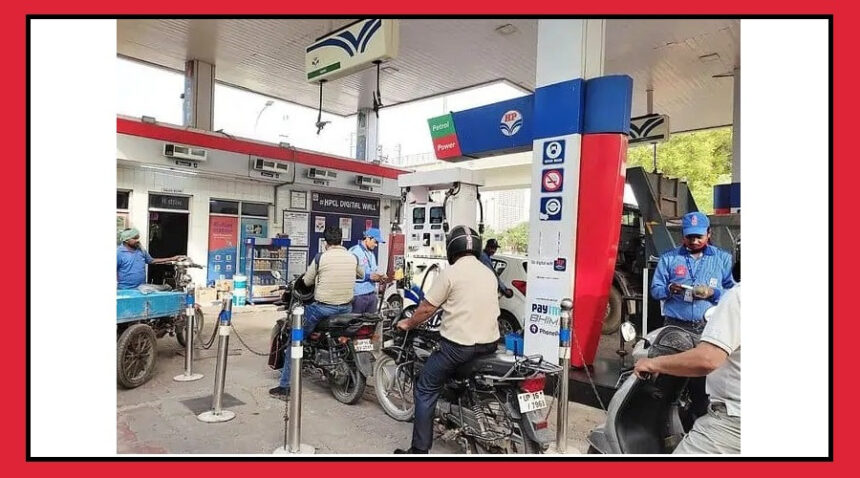
The government has introduced a major rule to ensure that petrol and diesel remain easily available for ordinary consumers.
Under the new order, industrial, commercial, and institutional users will no longer be allowed to buy fuel from regular petrol pumps in certain situations.
Instead, these large consumers will have to obtain fuel through authorized bulk supply channels.
The decision has been taken to prevent shortages and ensure that fuel meant for the public remains available without disruption.
Who Will Be Affected by the New Rule?
The new restrictions mainly target large fuel consumers such as:
Industrial units
Commercial establishments
Institutions and organizations
These entities may be barred from purchasing petrol and diesel from retail fuel stations and will be required to use their own fuel facilities or authorized bulk suppliers.
For ordinary vehicle owners and daily commuters, there is no direct restriction on fuel purchases.
Why Has the Government Taken This Step?
According to the government, recent geopolitical tensions in different parts of the world have affected global petroleum supply chains and shipping networks.
At the same time, authorities noticed that many industries and commercial users had started purchasing fuel from retail petrol pumps because retail prices were significantly lower than bulk fuel prices.
This increased demand at petrol pumps raised concerns that fuel supplies meant for the general public could come under pressure.
To avoid such a situation, the government has decided to regulate fuel sales and prioritize retail consumers.
Large Price Difference Led to Higher Demand
One of the biggest reasons behind this shift is the price gap between retail and bulk fuel sales.
For example, in Delhi, diesel is currently available at around ₹95.20 per litre at retail pumps, while the bulk sale price is around ₹134.50 per litre.
This substantial difference encouraged many large consumers to buy fuel from petrol pumps instead of bulk suppliers, increasing pressure on retail fuel stocks.
New Restrictions on Diesel Purchases
The government has also tightened rules regarding diesel purchases.
Under the new order:
Diesel can only be filled into vehicle fuel tanks or approved containers.
Purchases are limited to 200 litres per customer or vehicle per day.
Fuel purchased from retail outlets cannot be resold.
These measures are aimed at preventing hoarding, unauthorized storage, and misuse of fuel supplies.
What Does This Mean for Common Consumers?
For ordinary citizens, the new rules are intended to be beneficial.
Officials believe that if industries continue purchasing large quantities of fuel from retail outlets, it could lead to local shortages, longer queues, and supply disruptions.
By restricting bulk buyers, the government hopes to ensure that petrol pumps have enough stock for private vehicle owners, transport operators, and essential services.
The move is also expected to reduce the risk of panic buying in areas where fuel demand suddenly increases.
How Long Will the Restrictions Remain in Force?
The restrictions can remain effective for up to 90 days initially.
However, if the government believes the situation still requires control measures, the order can be extended through a fresh notification.
Authorities have stated that the primary goal is to ensure fair availability of petrol and diesel across the country while preventing hoarding, black marketing, and unauthorized fuel diversion.

Strict Action Against Violations
The Centre has instructed state governments and Union Territory administrations to strictly implement the new rules.
Authorities have been asked to take action against:
Hoarding of fuel
Black marketing
Unauthorized procurement
Diversion of fuel supplies
Other related malpractices
Violations could attract penalties under the Essential Commodities Act.
Key Takeaway
The government’s latest fuel regulation is aimed at protecting supplies for ordinary consumers during a period of global supply uncertainty.
While industries and commercial establishments may face new purchasing restrictions, the move is expected to help prevent fuel shortages, maintain stable supplies at petrol pumps, and ensure that retail consumers continue to get uninterrupted access to petrol and diesel.