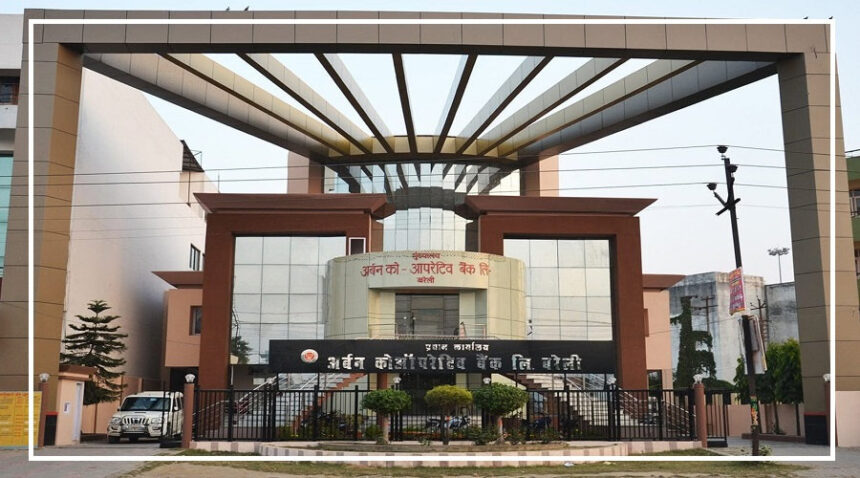
A major change could be on the horizon for India’s banking sector.
The Reserve Bank of India (RBI) is reportedly considering allowing the establishment of new Urban Co-operative Banks (UCBs), ending a nearly 20-year pause on issuing fresh licences.
If approved, this would mark the first time since 2004 that new urban co-operative banks would be allowed to enter the sector.
Why Is This a Significant Development?
The RBI stopped issuing new licences to Urban Co-operative Banks in 2004 due to concerns related to regulation, governance, and financial stability.
Now, after two decades, the central bank appears more confident about the sector’s ability to operate under stronger regulatory oversight.
Earlier this year, the RBI released a discussion paper seeking public and industry feedback on whether new UCB licences should be issued again.
According to reports, the response has largely been positive.
Industry Supports the Proposal
Sources indicate that many industry participants have welcomed the idea of reopening the licensing process.
However, some stakeholders have suggested that the proposed minimum capital requirement of ₹300 crore may be too high and should be reduced to encourage more applicants.
Supporters believe that allowing new co-operative banks could increase competition and improve access to banking services in many areas.
Why Does RBI Want More Urban Co-operative Banks?
In its discussion paper, the RBI highlighted several potential benefits of allowing new UCBs.
These include:
Better financial inclusion for underserved communities
Stronger co-operative banking networks
Improved financial health of the sector
Greater access to technology and operational support
Enhanced supervision and regulatory monitoring
The central bank believes that regulatory systems have become much stronger compared to two decades ago, making it easier to oversee new entrants.
Challenges Still Remain
Despite the positive outlook, the RBI has also identified several challenges facing Urban Co-operative Banks.
Some of the key concerns include:
Difficulty in raising capital
Limited incentives for investors
Governance and management issues
Technological limitations
Relatively small share in the overall banking sector
These challenges will likely play an important role in determining the final framework for issuing new licences.
How Big Is the Urban Co-operative Banking Sector?
Urban Co-operative Banks continue to play an important role in India’s financial system, particularly in serving local communities and small businesses.
As of March 2025, India had:
1,457 Urban Co-operative Banks
Total assets worth ₹7.38 lakh crore

Deposits of around ₹5.84 lakh crore
These figures show that despite their smaller size compared to commercial banks, UCBs remain a significant part of the country’s banking ecosystem.
What Could Happen Next?
While the RBI has not yet made a final announcement, reports suggest that the central bank is actively considering the proposal after receiving encouraging feedback.
If new licences are approved, it could open the door for fresh players in the co-operative banking space, improve access to banking services, and strengthen financial inclusion across the country.
For the first time in two decades, the Urban Co-operative Banking sector could be preparing for a new phase of growth.