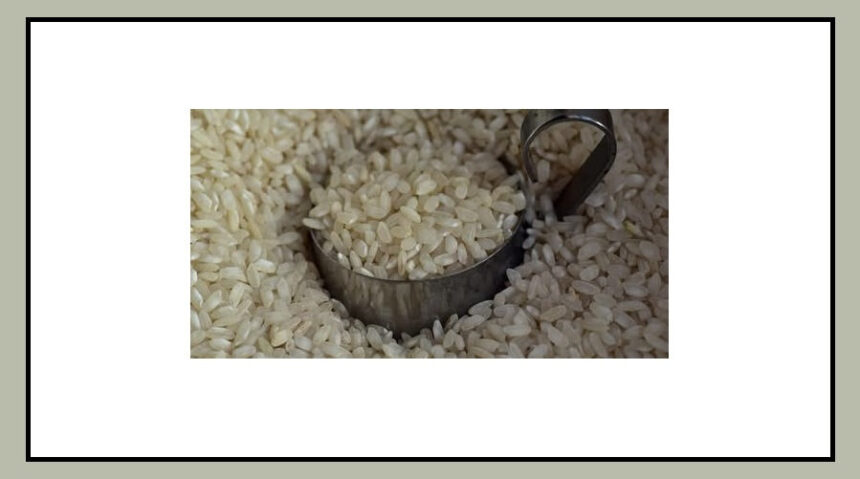
The Central Government is planning to make a major change to the ration distribution system under the Antyodaya Anna Yojana (AAY).
A draft of the National Food Security (Amendment) Bill, 2026, has been released, and the government has invited public suggestions until July 13, 2026.
If approved, the new system will replace the current family-based ration model with a per-person ration system. However, the maximum amount of ration a family can receive will remain unchanged at 35 kg per month.
What Is the Current Rule?
At present, every family covered under the Antyodaya Anna Yojana receives 35 kg of food grains every month, regardless of the number of family members.
In comparison, beneficiaries under the Priority Household category receive 5 kg of food grains per person every month.
Because of this, larger Antyodaya families often receive less food grain per member than families covered under the Priority category.
What Change Has the Government Proposed?
Under the proposed amendment, Antyodaya beneficiaries will receive 7 kg of food grains per person every month instead of a fixed 35 kg per family.
However, the government has proposed a maximum cap of 35 kg per family per month.
This means that ration distribution will be calculated based on the number of family members, but no family will receive more than 35 kg in total.
How Much Ration Will Families Get?
Under the proposed system:
A family with 1 member will receive 7 kg of food grains.
A family with 2 members will receive 14 kg of food grains.
A family with 3 members will receive 21 kg of food grains.
A family with 4 members will receive 28 kg of food grains.
Families with 5 or more members will continue to receive a maximum of 35 kg of food grains.
This means that families with five or more members will not see any increase beyond the existing 35 kg limit, but smaller families will receive ration based on the exact number of members.
Why Does the Government Want to Change the System?
According to the Food Ministry, the current system does not consider family size, which creates inequality among beneficiaries.
Providing the same amount of ration to both small and large families often results in larger households getting a smaller share per person.
The government believes that a per-person distribution system will make the scheme fairer and help ensure that food benefits reach beneficiaries more effectively.
Part of a Larger Food Security Plan
The proposed amendment is part of the government’s broader strategy to strengthen food and nutrition security across the country.
Officials say the move is aimed at ensuring that every beneficiary receives adequate food support under the “Human Life Cycle Approach.”
Free Ration Will Continue
At present, beneficiaries under both the Antyodaya and Priority Household categories continue to receive rice and wheat free of cost under the National Food Security Act.
Key Highlights
Proposal to provide 7 kg of ration per person under Antyodaya Anna Yojana.
Maximum ration limit will remain 35 kg per family per month.
Public suggestions can be submitted until July 13, 2026.
The amendment aims to make ration distribution more equitable.
The proposal is part of a broader effort to strengthen food security in India.