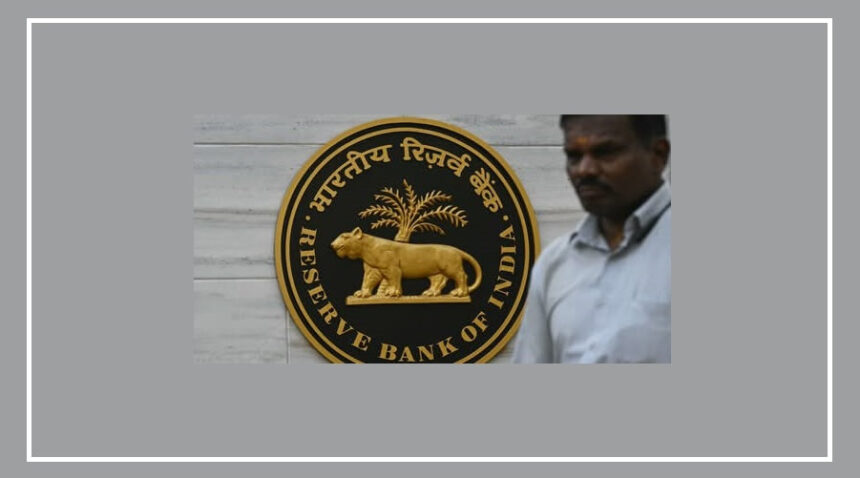
The Reserve Bank of India (RBI) appears to be easing some of its proposed rules for banks and debt recovery agents.
The changes come after the central bank received feedback on its draft guidelines related to debt collection and the appointment of recovery agents.
Earlier proposals had suggested stricter controls to protect borrowers from harassment and unfair recovery practices.
However, RBI’s latest feedback statement shows that some requirements are now being relaxed to make compliance easier for banks and recovery agencies.
Banks May Not Need to Disclose Individual Agent Details
One major change is related to the information banks must publish about recovery agents.
Earlier, it was proposed that banks should disclose details of individual recovery agents.
Under the revised approach, banks may only need to provide information about the recovery agency, including its name, address, working period and area of operation, on their website or app.
The requirement to display the names and addresses of individual recovery agents has been removed.
This change was made partly because recovery agencies often see high employee turnover.
However, this could make it more difficult for borrowers to identify exactly which recovery agent is calling them or visiting their home.
Background Checks and Digital IDs Made Easier
The RBI has also simplified the background verification process for recovery agents. The screening can now be carried out either by the recovery agency or by the bank.
Rules related to identification and authorization are also being simplified.
Recovery agents may be allowed to carry digitally verifiable documents instead of physical ID cards and authorization letters.
This could make field operations easier for agents, although customers will still need a simple and reliable way to verify whether a person contacting them is genuinely authorized.
New Rules Delayed Until January 2027
The RBI has also provided more time to implement the new rules.
The proposed effective date has been pushed from October 1, 2026, to January 1, 2027. In some cases, existing recovery agents may also get an additional year to obtain the required IIBF certification.
This gives banks and recovery agencies more time to prepare for the new requirements.
Law Firms Get Relief From Recovery Agency Rules
Another important change concerns law firms.
According to the revised approach, law firms that only prepare legal notices or represent banks in court will not be treated as recovery agencies.
This means such firms will not have to follow all the additional requirements applicable to debt recovery agencies.
Overall, the latest changes reduce some of the operational burden on banks and recovery agencies compared with the earlier proposals.
Customer Harassment Has Been a Long-Standing Issue
Complaints about harassment by recovery agents are not new in India. Courts have repeatedly dealt with cases involving aggressive or unfair debt recovery practices.
The Supreme Court has previously criticized the use of strong-arm tactics by recovery agents and has also held banks responsible for the conduct of agents working on their behalf.
The RBI has issued various guidelines and fair-practice requirements over the years to protect borrowers.
The latest detailed framework is expected to bring clearer rules for banks and recovery agencies when it comes into effect on January 1, 2027.