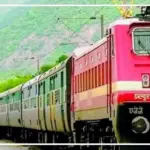
The Supreme Court has ruled that Indian Railways must pay electricity surcharges while buying power through open-access arrangements, bringing an end to a legal dispute that lasted for more than a decade.
The judgment is being seen as a major setback for Railways because it could significantly increase electricity-related expenses in the coming years.
The court said Indian Railways is legally a “consumer” under the Electricity Act, 2003, and not a “deemed distribution licensee” as claimed by the Railways.
Why This Case Matters
Indian Railways is one of the largest electricity consumers in the country.
Reports suggest the railway network uses more than 33 billion units of electricity every year to run:
Electric trains
Railway stations
Signalling systems
Traction infrastructure
Because of the latest ruling, Railways will now have to pay:
Cross-Subsidy Surcharge (CSS)
Additional Surcharge (AS)
These charges are normally paid by large consumers purchasing electricity directly from open-access power markets.
Industry estimates suggest the financial impact could run into several thousand crores. Internal estimates reportedly place the possible outstanding liability at around Rs 15,000 crore.
How the Legal Dispute Started
The dispute began in 2015 when Indian Railways argued that it should be treated as a “deemed distribution licensee.”
Railways claimed that since it had its own electricity infrastructure and power systems, it should not be required to pay surcharges like regular consumers.
The Central Electricity Regulatory Commission had initially ruled in favour of Railways.
However, state electricity regulators and power distribution companies challenged the decision.
In 2024, the Appellate Tribunal for Electricity overturned the earlier ruling and said Railways was still a consumer.
The Supreme Court has now supported that interpretation.
Supreme Court Rejects Railways’ Argument
The Supreme Court said Railways uses electricity only for its own operations and does not distribute power to outside consumers.
According to the court, simply operating a private electricity network for internal use does not make an organisation a distribution licensee.
The judgment clarified that a true distribution licensee supplies electricity to independent consumers — something Indian Railways does not do.
Big Impact on Railways’ Electrification Plans
Over the past several years, Indian Railways has spent heavily on electrification to reduce diesel use and cut fuel costs.
Reports say Railways invested around Rs 46,000 crore since FY14 to electrify most of its broad-gauge network.
However, the latest ruling may now increase the operating cost of running electrified railway systems because future open-access electricity purchases will attract extra charges.
Relief for Power Distribution Companies
The verdict is being seen as a major win for state power distribution companies, also known as DISCOMs.
These companies argued that exempting Railways from surcharges would weaken their financial position.
Cross-subsidy charges help DISCOMs recover losses from supplying cheaper electricity to categories like farmers and residential consumers.
The Supreme Court has also directed DISCOMs to calculate pending surcharge dues and issue detailed bills to Indian Railways based on electricity usage and supply areas.