The Central Board of Direct Taxes (CBDT) has introduced new compliance rules under the Income-tax Rules, 2026.
These rules mainly focus on tracking high-value financial transactions at post offices.
This includes deposits, withdrawals, account openings, and time deposits.
The aim is to improve transparency and ensure proper reporting to the Income Tax Department.
PAN Now Mandatory for Key Transactions
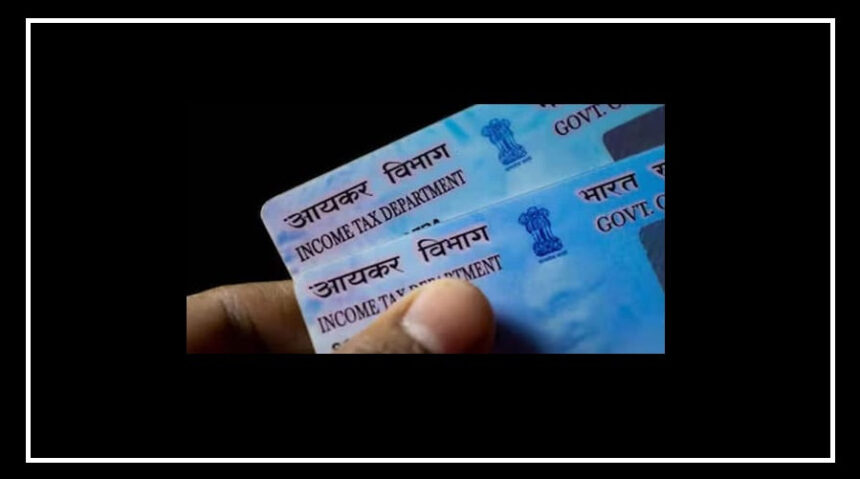
Under the new rules, quoting a PAN has become compulsory for all specified transactions.
If a customer does not have a PAN, they must fill and submit Form No. 97.
This form requires details like name, address, transaction type, and supporting documents.
Post offices will verify the information and keep the form on record for six years.
Until system updates are completed, existing processes (like those used for older forms) will continue to be used.
Strict Reporting Rules Introduced
All such transactions must be reported through a Statement of Financial Transactions (SFT).
For this, Form No. 98 will be used. Post offices must send verified details to the head office, which will then report them to the Income Tax Department within set deadlines.
Key Deadlines to Remember
Transactions recorded up to September 30 must be reported by October 31
Transactions recorded up to March 31 must be reported by April 30 (next financial year)
Timely reporting is now mandatory, and officials have been instructed to follow the schedule strictly.
New Form for Interest Income Declarations
The CBDT has also introduced Form No. 121 for customers who want to avoid tax deduction on interest income.
This form will replace the earlier Forms 15G and 15H.
Until the system is updated, customers can continue using the existing process.
However, the new form will soon become standard.
Each Form No. 121 will be assigned a unique identification number (UIN) by post office officials for tracking.
Quarterly Reporting and Compliance
For cases where tax is not deducted, post offices must file a quarterly TDS report.
This report must be submitted by the 7th of the month following each quarter.
Additionally, authorities must ensure that all financial transactions are properly reported in the required formats within deadlines.
The Bigger Goal Behind These Rules
These changes are part of a larger effort to tighten tax compliance and monitor high-value transactions more effectively.
By making PAN mandatory and introducing structured reporting, the government aims to reduce tax evasion and improve financial transparency.
The Bottom Line
The new Income-tax Rules, 2026 bring stricter compliance for post office transactions.
Customers should be ready to provide PAN details or fill the required forms to avoid issues.
For regular users of post office services, staying updated with these rules is important to ensure smooth and hassle-free transactions.