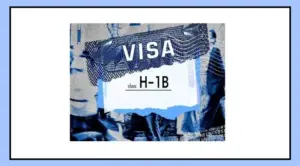
The US Citizenship and Immigration Services (USCIS) has announced stricter signature verification rules for immigration applications, and the changes could directly affect H-1B visa holders, green card applicants, and companies sponsoring foreign workers.
The new rule will come into effect from July 10, 2026, and will apply to all immigration forms filed after that date.
Under the updated system, even a small signature mistake could lead to immediate rejection of an application.
What Has Changed in the New USCIS Rule?
The rule, officially called “Signatures on Immigration Benefit Requests,” gives USCIS more power to review and reject immigration applications with invalid signatures.
Earlier, some applications with signature issues could still move forward after receiving a receipt notice.
Now, USCIS can reject or deny a case at any stage if it later finds the signature invalid.
In many cases, the filing fee may also not be refunded.
This means applicants could lose:
Their application fee
Valuable processing time
Their immigration filing opportunity in certain cases
The Department of Homeland Security (DHS) says the stricter rules are aimed at reducing fraud and preventing unclear or questionable signatures.
Which Signatures Are Accepted?
USCIS has clarified that traditional handwritten “wet-ink” signatures will continue to be accepted.
Scanned or photocopied copies of documents originally signed by hand are also usually allowed.
Electronic signatures can only be used in specific USCIS-approved online filing systems and must follow the official instructions for each form.
What Could Lead to Rejection?
USCIS has warned that several commonly used signature methods may no longer be accepted.
These include:
Copy-pasted signatures
Digitally inserted signature images
Stamped signatures
Typed names instead of actual signatures
The agency also said signatures added by someone else without proper authorisation are invalid.
This can include relatives, office staff, or even representatives in some situations.
Which Visa and Immigration Forms Are Affected?
The new rule applies to many major immigration forms, including:
Form I-129 for H-1B and work visas
Form I-140 for immigrant petitions
Form I-485 for green card applications
The changes are expected to have the biggest impact on employers that regularly sponsor foreign workers.
Companies may now need to change internal paperwork processes to ensure all forms carry proper and valid signatures before submission.
Why Employers and Applicants Need to Be Careful
Immigration experts say the biggest risk is with applications that have strict deadlines, such as H-1B cap filings and employment-based green card petitions.

If USCIS later finds a signature issue after months of processing, applicants may have to restart the entire process from the beginning.
Lawyers are advising employers to:
Double-check every signature field
Keep records of original signed documents
Avoid using unauthorised digital signature tools
Train staff handling immigration paperwork carefully
With the new rules taking effect in July 2026, applicants and employers are being urged to review all immigration documents more carefully than ever before.