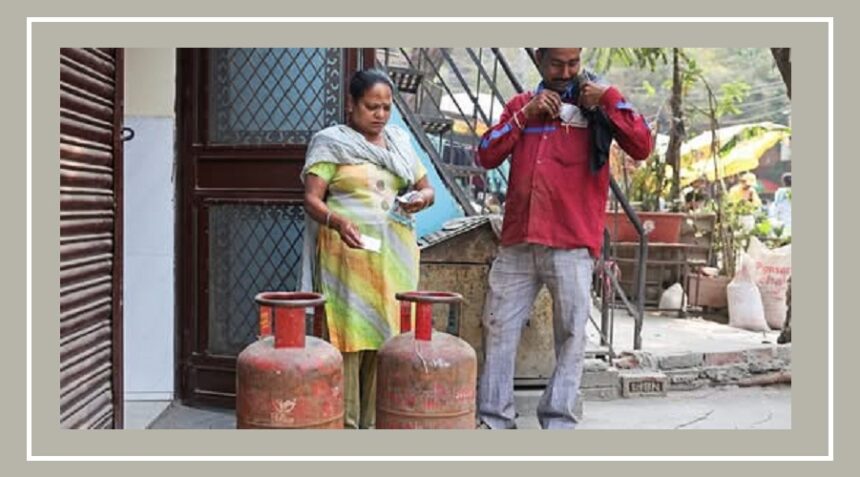
The government has reportedly started strict implementation of a new LPG policy that could impact households across India, especially in cities where piped natural gas (PNG) is already available.
Under the proposed rule, a household may no longer be allowed to keep both an LPG cylinder connection and a PNG connection at the same time.
The move is part of the government’s effort to reduce subsidy misuse, control duplicate gas connections, and manage fuel supply more efficiently.
One Household, One Gas Connection
The new policy follows a “One Household, One Gas Connection” model.
This means:
Homes with active PNG connections may need to surrender their LPG cylinders
LPG refills could stop for households already using PNG
New LPG connections may not be approved in areas where PNG service is available
The revised rules were reportedly introduced under updated LPG supply regulations in March 2026.
Why Is the Government Making This Change?
According to reports, the government wants to:
Prevent misuse of subsidised LPG
Stop duplicate domestic gas usage
Improve subsidy targeting
Ensure better LPG availability for families fully dependent on cylinders
Encourage wider use of PNG infrastructure
Officials are also worried about rising LPG import pressure and global fuel supply disruptions.
India currently imports a large portion of its LPG requirement, making the country vulnerable to international market changes.
Which Households Could Be Affected?
The biggest impact is expected in urban areas where PNG networks are already active.
This may affect:
Homes already using PNG pipelines
Apartment societies with PNG connections
Families holding both LPG and PNG connections
Consumers with inactive LPG accounts
Reports suggest authorities have already started identifying dual-connection households in cities like Delhi and other major urban regions.
New OTP and e-KYC Rules for LPG Delivery
Along with the new gas connection policy, the government has also tightened LPG booking and delivery rules.
The new measures reportedly include:
OTP-based cylinder delivery verification
Mandatory e-KYC updates
Longer waiting periods between refill bookings
Restrictions on inactive LPG accounts
In many areas, delivery agents are now required to verify OTPs before handing over LPG cylinders.
What Consumers Should Do Now
Consumers are being advised to:
Complete Aadhaar-based e-KYC
Update their registered mobile number
Check if PNG service is available in their area
Close inactive or duplicate LPG connections
Update bank details linked to LPG subsidy
Households already using PNG may eventually need to surrender their LPG connection to avoid refill issues in the future.
Why the Policy Is Facing Criticism
While the government says the policy will improve efficiency and reduce misuse, many consumers have raised concerns.
Some people prefer keeping LPG cylinders as backup during:
PNG supply disruptions
Maintenance work
Emergency situations
Consumers in rural and semi-urban areas have also reported concerns related to:
OTP delivery problems
Network connectivity issues
Delayed cylinder delivery
Reduced flexibility in cooking fuel options
Reports also suggest that some distributor associations have approached authorities and courts seeking continuation of offline LPG delivery systems alongside digital verification methods.