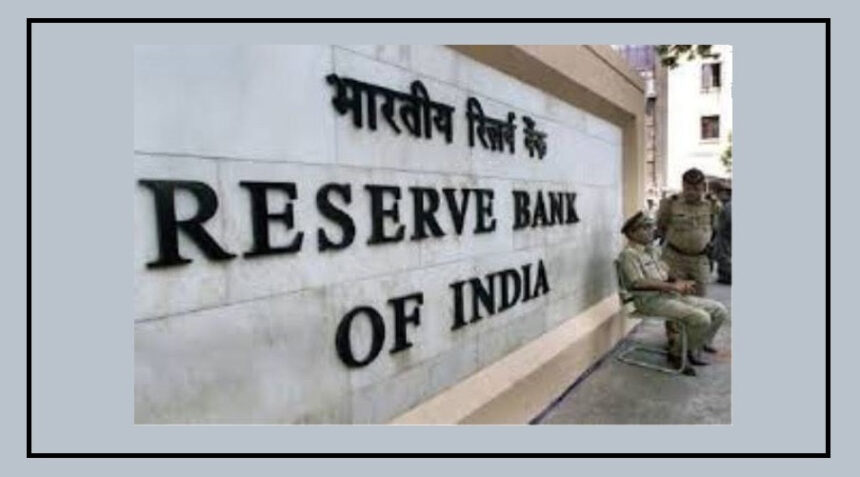
The Reserve Bank of India (RBI) has introduced major changes to the Lead Bank Scheme, a banking framework that has been in place for nearly 57 years.
The revised guidelines came into effect on June 19 and are aimed at meeting the needs of a modern economy, growing digital banking services, and rural development.
The new rules are expected to benefit small businesses, farmers, women entrepreneurs, startups, and people living in villages and small towns.
What is the Lead Bank Scheme?
The Lead Bank Scheme was launched in 1969 to improve access to banking services across India. Under this system, one bank is assigned to each district
and is responsible for promoting financial inclusion, expanding banking facilities, and improving access to loans.
With banking and technology changing rapidly, the RBI has now updated the scheme to make it more relevant for current needs.
Key Changes Announced by RBI
More Support for Small Businesses
Banks have been asked to focus more on small businesses and the MSME sector. The RBI wants entrepreneurs in villages and smaller towns to get easier access to loans and financial support.
This move could help create more jobs and encourage local business growth.
Greater Focus on Farmers
The new guidelines also place special emphasis on agriculture. Banks will be expected to reach more farmers, increase agricultural lending, and strengthen banking services in rural areas.
Small and marginal farmers are likely to benefit the most from these changes.
Push for Digital Banking
RBI has instructed banks to expand digital banking services and improve financial awareness among people living in rural and remote areas.
The focus will be on promoting online payments and digital transactions so that people can access banking services more easily without depending entirely on physical branches.
Bed
The updated framework also calls for stronger monitoring of banking schemes at the district level. This will help authorities identify areas where financial services are lacking and take quicker action.
In addition, banks have been encouraged to provide more support to women entrepreneurs, startups, and new businesses, helping promote self-employment and local economic growth.
How Will It Benefit Common People?
The new RBI guidelines are expected to make banking services more accessible in villages and small towns. Getting loans may become easier, digital payment options could improve, and financial services may reach more people.
Farmers, small business owners, women entrepreneurs, and rural households are expected to be among the biggest beneficiaries of these changes.