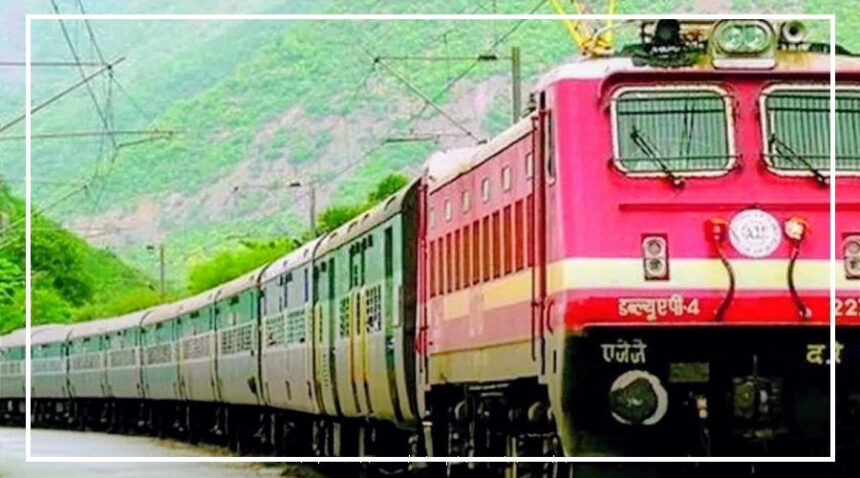
Indian Railways has revised the schedules of more than 100 trains as part of a large operational overhaul aimed at improving punctuality and reducing delays across the network.
The changes include:
Revised arrival and departure timings
Faster sectional running times
Operational adjustments at major junctions
Updated schedules for several passenger and premium trains
The move comes as Indian Railways faces growing pressure over frequent delays, rising passenger demand, and congestion on busy routes.
Why Indian Railways Changed Train Timings
According to reports, many older train schedules no longer matched current railway traffic conditions.
Railway officials say the new timetable changes are meant to:
Improve punctuality
Reduce congestion
Manage train flow more efficiently
Minimise chain delays across routes
Better handle growing premium train operations
The revisions are also part of Indian Railways’ larger “Trains At A Glance (TAG) 2026” modernisation strategy.
Several factors forced the railway network to rethink train schedules:
Increased traffic density
Ongoing infrastructure work
Expansion of Vande Bharat services
More maintenance blocks across zones
More Than 100 Trains Affected Across India
The revised schedules impact multiple railway zones and different categories of trains, including:
Mail Express trains
Passenger trains
MEMU services
Premium and Vande Bharat routes
Different railway zones are making adjustments based on local congestion, platform availability, junction traffic, and track utilisation.
Passengers are being advised to:
Check updated train timings before travel
Reconfirm departure schedules on railway platforms
Verify connecting train timings carefully

Major Trains With Revised Timings
Several important routes have already seen timetable changes.
Some major trains affected include:
Prayagraj Sangam–Ayodhya Express
Jalandhar–Amgaon Express
Kanpur–Varanasi Express
Ayodhya–Kanpur Vande Bharat
Amritsar–Saharsa Express
Kamakhya–SMVT Bengaluru Express
Sangam Express
Kalindi Express
Kanpur–Bandra Express
Yesvantpur–Kacheguda Vande Bharat
Mumbai–Hazur Sahib Nanded Vande Bharat
Nagpur–Mumbai Duronto Express
Kannur–Thiruvananthapuram Jan Shatabdi
Some trains have become faster by 5 to 20 minutes, while others now operate with revised arrival and departure timings.
Railway Punctuality Under Pressure
The timetable changes come at a time when Indian Railways is facing criticism over declining punctuality.
A parliamentary panel earlier reported that railway punctuality dropped significantly:
Around 90% in 2021–22
Nearly 73.6% in 2023–24
Passengers across multiple routes have recently complained about:
Long delays
Frequent halts
Missed connections
Congestion-related disruptions
In some regions, passengers and activists also alleged that regular passenger trains are often delayed to give priority to premium services like Vande Bharat trains.
Vande Bharat Expansion Is Changing Railway Operations
One major reason behind the growing scheduling challenge is the rapid expansion of Vande Bharat trains and other premium services.
Indian Railways has been aggressively increasing:
Semi-high-speed train services
Premium intercity routes
Faster travel corridors
But integrating faster trains into India’s existing railway network is becoming increasingly complex because freight trains, passenger trains, express services, and premium trains often use the same tracks.
This creates challenges in:
Signal management
Platform allocation
Overtaking operations
Route scheduling
Infrastructure Upgrades Also Causing Delays
Railway officials say punctuality is also being affected by large-scale infrastructure work happening across the country.
These include:
Electrification projects
Track doubling
Yard modernisation
Maintenance blocks
Non-interlocking works
While these upgrades may temporarily impact schedules, Railways believes they will improve efficiency and train speeds in the long run.
Railways Already Speeded Up Hundreds of Trains
The latest changes are part of a much larger nationwide timetable overhaul already underway under TAG 2026.
According to official data:
549 trains have already been sped up
122 new trains introduced
Timings revised across multiple railway zones
Among the accelerated trains:
376 trains became faster by 5–15 minutes
105 trains by 16–30 minutes
48 trains by 31–59 minutes
20 trains by more than one hour
The overall goal is to improve:
Passenger experience
Average train speeds
Operational efficiency
Schedule reliability
What This Means for Passengers
If implemented properly, the revised schedules could significantly improve travel experience for passengers.
Benefits may include:
Fewer cascading delays
Better train connections
Reduced waiting time at junctions
Improved punctuality
Less uncertainty during travel
Indian Railways is now increasingly relying on:
Data analysis
Timetable engineering
Network optimisation
Operational restructuring
…to manage one of the world’s busiest railway networks more efficiently as passenger demand continues to rise.