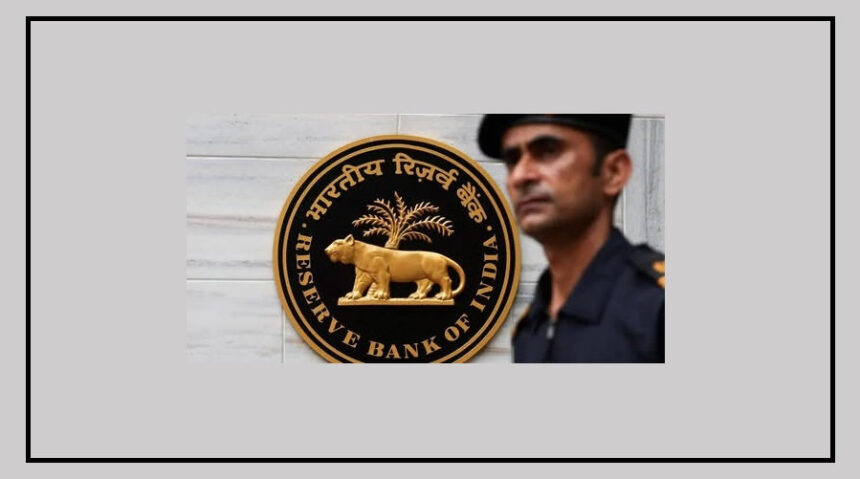
The Reserve Bank of India has decided to keep the repo rate steady at 5.25% on April 8.
This decision was taken by its Monetary Policy Committee (MPC), continuing the current pause on interest rate changes.
This move shows a cautious approach. While inflation in India remains under control, global risks like geopolitical tensions and fluctuating commodity prices are still a concern.
So, the central bank is choosing stability over sudden changes.
What This Means for FD Investors
If you invest in fixed deposits (FDs), this is important news for you.
When the repo rate stays the same, banks usually don’t change their deposit or lending rates.
Simply put, FD interest rates are likely to remain stable for now.
Most banks have already adjusted their rates in earlier policy cycles.
So, there’s little chance of FD rates going up further in the near future.
This means your returns will likely stay predictable—but not increase significantly.
FD Rates Right Now: A Quick Look
FD interest rates still vary depending on the bank and tenure (usually 1–2 years):
Public Sector Banks
Bank of India – 6.60%
Bank of Baroda – 6.60%
Canara Bank – 6.60%
Union Bank – 6.60%
State Bank of India – 6.45%
Private Sector Banks
RBL Bank – 7.20%
Bandhan Bank – 7.00%
IndusInd Bank – 7.00%
Yes Bank – 7.00%
Kotak Mahindra Bank – 6.70%
Private banks and NBFCs usually offer slightly higher returns compared to public sector banks.
Also, senior citizens get extra benefits, typically earning 0.25% to 0.75% more than regular investors.
Should You Stick to FDs or Look Elsewhere?
Fixed deposits are still one of the safest investment options.
They offer steady and predictable returns, which makes them ideal for conservative investors.
However, since interest rates are not rising, some investors may consider other options for better returns.
These include:
Corporate fixed deposits
Debt mutual funds
Government securities

Keep in mind, these options may offer higher returns—but they also come with higher risk or lower liquidity.
The Smart Way Forward
Before making any changes, take a moment to think about:
Your financial goals
How much risk you can handle
Your investment timeline
FDs are great for stability, but a balanced approach can help you grow your money more effectively.