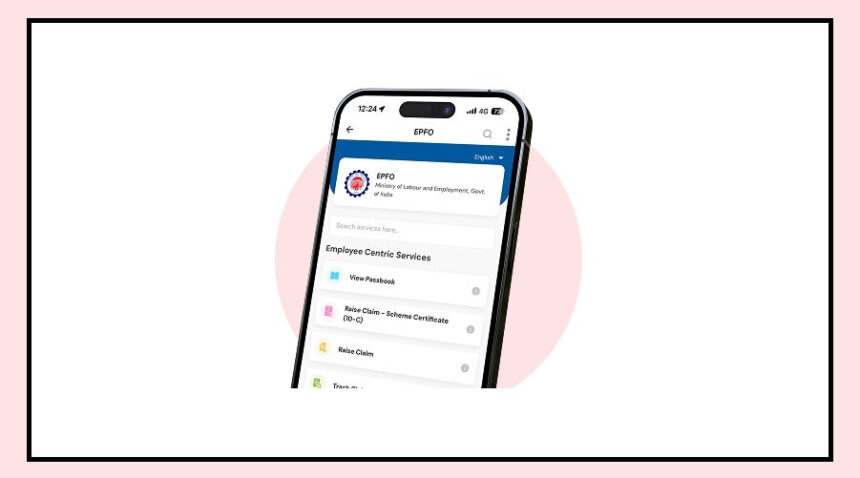
The Employees’ Provident Fund Organisation (EPFO) has made it easier for members to access their savings.
The new rules reduce complicated categories into three main groups and provide clear guidance on when and how funds can be withdrawn.
Soon, members will even be able to withdraw money through UPI or ATM, making the process faster and more convenient.
Three Main PF Withdrawal Categories
Previously, PF withdrawals were divided into 13 different reasons, making the process confusing. Now, withdrawals are grouped under:
Essential Needs – for daily expenses, illness, education, or marriage
Housing Needs – for buying, constructing, renovating, or repaying a home loan
Special Circumstances – including retirement, permanent disability, unemployment, or moving abroad
Members can now withdraw up to 100% of their eligible PF balance in cases such as retirement at age 58, voluntary retirement, permanent disability, or permanent settlement abroad.
Withdrawals During Unemployment
If a member loses their job, the revised rules allow them to withdraw:
75% of the PF balance immediately
Remaining 25% after 12 months if unemployment continues
This ensures members can manage expenses while keeping part of their savings intact.
Easier Partial Withdrawals for Common Needs
Partial withdrawals are now more flexible.
Members can withdraw up to 75% of their PF balance for:
Education: Up to 10 times during service
Marriage: Up to 5 times
Medical Treatment: For self, spouse, children, or parents, up to 3 times per year for serious illnesses like cancer or TB
PF Withdrawals for Housing
Members can also use PF money for:
Buying a house
Construction or renovation
Repaying a home loan
The property can be in the member’s name, spouse’s name, or jointly owned. Withdrawals for housing are allowed up to five times during service.
Minimum Balance Rule Protects Savings
Under the new rules, members must keep at least 25% of their PF contributions in the account.
This ensures the remaining balance continues to earn interest at 8.25% per year, helping savings grow even after withdrawals.