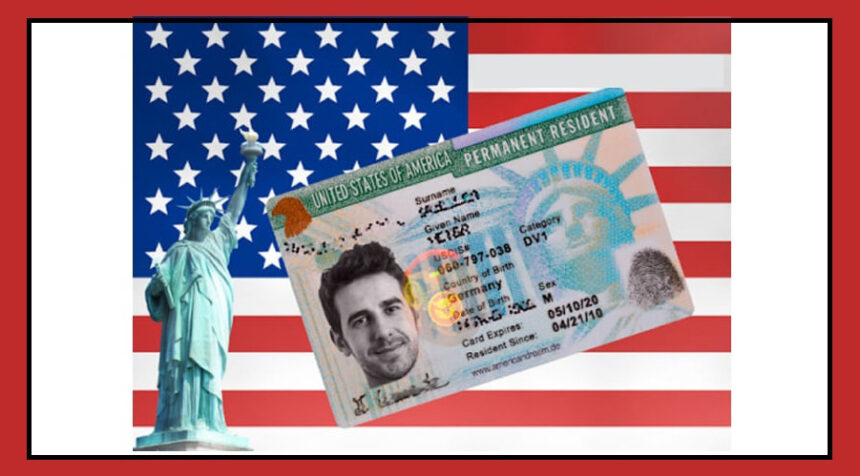
Many US green card holders are now facing problems while returning to the United States after traveling abroad.
Some are being stopped, questioned, or even denied entry, especially under stricter immigration enforcement seen during the tenure of Donald Trump.
Even though green card holders have the right to return, that right is not absolute.
Certain conditions can lead to delays—or even loss of status.
Why Some Green Card Holders Are Being Stopped
Authorities are paying closer attention to people who:
Stay outside the US for long periods
Have criminal records or legal issues
Are suspected of fraud
Appear to have abandoned their US residence
In some reported cases, people were denied entry simply because they stayed abroad for more than a year.
Key Reentry Rules You Must Know
If you are a green card holder, your travel duration matters a lot.
Staying outside the US for 1 year or more can put your status at risk
Even shorter trips can raise questions if repeated often
You must show that the US is still your main home
To stay safe, always maintain strong ties like:
A home or lease in the US
A job or business
Bank accounts and tax filings
Reentry Permit: Your Safety Net
If you plan to stay outside the US for a long time, a reentry permit is very important.
It proves you did not intend to abandon your status
It allows you to stay abroad for up to 2 years
It reduces the risk of being denied entry
You can apply using Form I-131, but there are a few key rules:
You must apply before leaving the US
Apply at least 60 days in advance
You need to complete biometrics (photo and fingerprints)
Without this permit, staying abroad for over a year could lead to loss of your green card status.
Short Trips vs Long Absences
If your trip is less than 1 year, things are simpler:
You can travel using your green card (Form I-551)
No reentry permit is required

But be careful. Even multiple short trips can create problems if they make it look like you live outside the US.
Planning for US Citizenship? Be Extra Careful
If you want to apply for US citizenship, travel history becomes even more important.
To qualify, you must:
Live continuously in the US for at least 5 years
Avoid long absences
Here’s what can affect your application:
Staying outside for more than 6 months may break continuity
Staying outside for 1 year or more can seriously impact eligibility
Even frequent shorter trips can raise concerns during the naturalization process.
Final Takeaway
Having a green card means you can live and work in the US—but only if you follow the rules carefully.
Long stays abroad, weak ties to the US, or missing paperwork can put your status at risk.
If you plan to travel, think ahead.
A small mistake could lead to serious consequences when you try to return.