
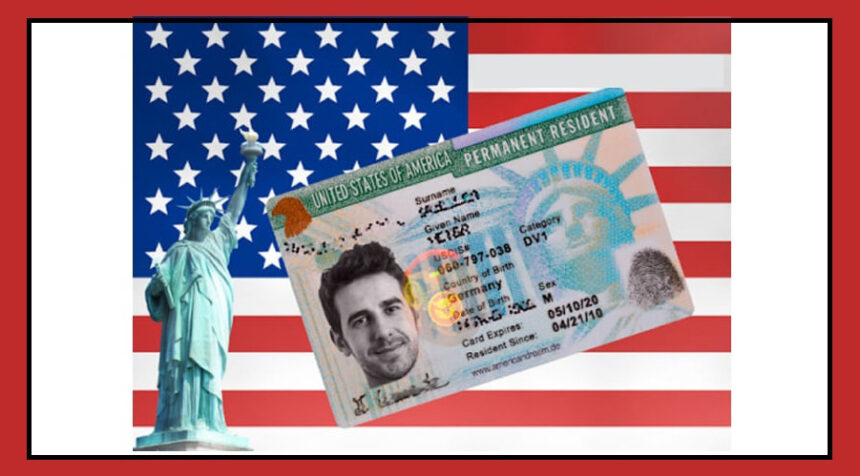
Green card holders in the United States may now face tougher checks when returning from international travel.
Under President Donald Trump, U.S. immigration authorities are reportedly increasing scrutiny on lawful permanent residents at ports of entry.
While green card holders generally have the right to return, that right is not absolute.
In some cases, travelers are facing questioning, delays, or even denial of entry.
Why Green Card Holders Are Being Questioned
A green card allows a person to live and work permanently in the United States.
But immigration law says this status must be maintained properly.
Authorities may raise concerns if a person:
Stays outside the U.S. for a long time
Has a criminal record
Is involved in fraud or misrepresentation
Appears to have settled permanently in another country
If officials believe someone has “abandoned” their U.S. residence, they may deny entry or start removal proceedings.
Spending one year or more outside the U.S. without special permission is especially risky.
Even trips shorter than a year can create problems if immigration officers think the person no longer intends to live in the U.S. permanently.
What Is a Reentry Permit and Why It Matters
A reentry permit helps protect permanent resident status during long trips abroad.
This document confirms that the traveler does not intend to give up their green card.
It allows reentry after staying outside the U.S. for up to two years without needing a returning resident visa.
Anyone planning to stay abroad for one year or more should apply for a reentry permit before leaving.
The application (Form I-131) must be filed while physically present in the U.S., ideally at least 60 days before departure.
Biometrics must be completed in the U.S., but applicants do not need to remain there while the permit is processed.
Once approved, the permit can be collected from a U.S. embassy, consulate, or DHS office abroad.
Without a reentry permit, staying outside the U.S. for over a year may result in being treated as having abandoned permanent residency.
How Travel Affects U.S. Citizenship Plans
Extended travel can also affect future naturalization.
To apply for U.S. citizenship, most green card holders must show:
Five years of continuous residence
At least three months of residence in their current state before filing
An absence of more than six months but less than one year can interrupt continuous residence, unless the applicant provides strong evidence to prove otherwise.
Regular long trips abroad may complicate both reentry and citizenship applications.
The Bottom Line
A green card provides valuable rights, but it comes with responsibilities.
Long or frequent stays outside the U.S. can trigger serious consequences, including loss of permanent resident status.

Anyone planning extended travel should understand the rules carefully and consider applying for a reentry permit in advance.
With immigration scrutiny reportedly increasing, staying informed is more important than ever for permanent residents.