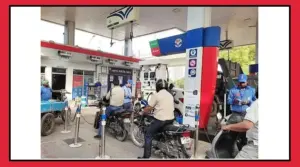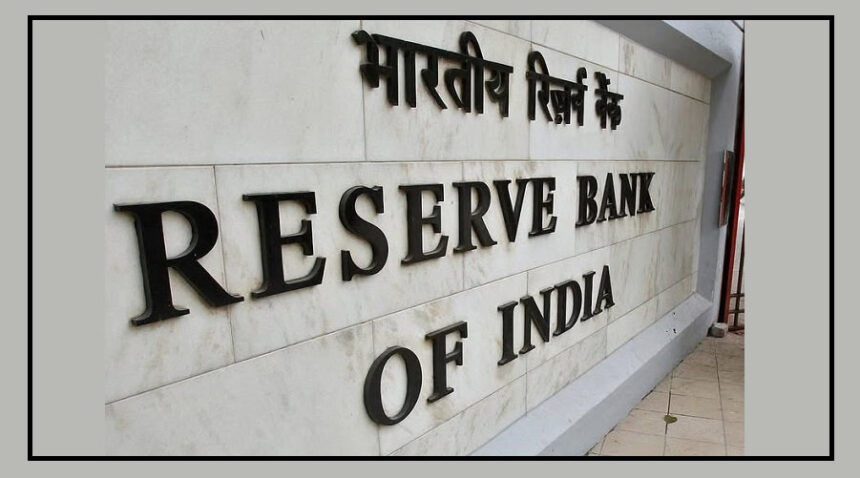
Reserve Bank of India (RBI) Governor Sanjay Malhotra has hinted that petrol and diesel prices in India could increase if tensions in the Middle East continue for a longer period.
Speaking at a conference in Switzerland hosted by the Swiss National Bank and the International Monetary Fund (IMF), the RBI Governor said the government and fuel retailers are currently absorbing higher crude oil costs.
But if the situation continues, fuel price hikes may eventually become unavoidable.
According to Bloomberg, Malhotra said it is “only a matter of time” before higher oil prices are passed on to consumers if the conflict remains prolonged.
Why Fuel Prices Have Not Increased Yet
At present, the government has managed to keep retail fuel prices stable despite rising global crude oil prices.
This has been possible because:
Excise duties were cut earlier
State-run fuel companies are absorbing part of the cost increase
However, global oil prices have remained under pressure due to concerns around supply disruptions linked to the Middle East conflict.
One of the biggest concerns is the Strait of Hormuz — a critical global oil shipping route. Any disruption there could directly impact oil supply and transportation costs worldwide.
Government Also Raises Gold and Silver Import Duty
The RBI Governor’s comments came shortly after Prime Minister Narendra Modi urged citizens to reduce petrol and diesel consumption and postpone gold purchases to help preserve India’s foreign exchange reserves.
The government has also sharply increased import duties on precious metals.
From May 13:
Gold import duty has increased from 6% to 15%
Silver import duty has increased from 6% to 15%
Platinum import duty has risen from 6.4% to 15.4%
The move is aimed at reducing imports and protecting India’s external finances during a period of global uncertainty.
Inflation Risks Are Rising Again
India’s retail inflation increased slightly to 3.48% in April from 3.40% in March.
Although inflation remains under control for now, rising energy prices could change the situation quickly if geopolitical tensions continue.
The RBI currently expects:
GDP growth of 6.9% this financial year
Average inflation of 4.6%
However, brokerage firm Crisil believes inflation could rise to 5% in FY27 while economic growth may slow to 6.6% because of the West Asia conflict.
RBI Says Future Decisions Will Depend on Data
The RBI Governor also said the central bank is taking a “meeting by meeting” approach while deciding future monetary policy actions.
According to him, the RBI is remaining flexible and closely monitoring incoming economic data.
He said temporary shocks can sometimes be ignored, but if inflation pressures become long-lasting, the central bank may need to act.
The RBI’s next monetary policy meeting is scheduled for June 5.
In its last meeting held in April, the RBI kept the repo rate unchanged at 5.25%.
Government Says There Is No Immediate Cause for Panic
Despite concerns over rising crude prices, Oil Minister Hardeep Singh Puri recently said there is no immediate plan to increase petrol and diesel prices.
He stated that India currently has:
Around 60 days of crude oil and LNG reserves
Nearly 45 days of LPG stock
According to the minister, there is “absolutely no cause for anxiety” at the moment.
Still, if global tensions continue and oil prices remain elevated, consumers may eventually feel the impact through higher fuel prices and broader inflation pressure.