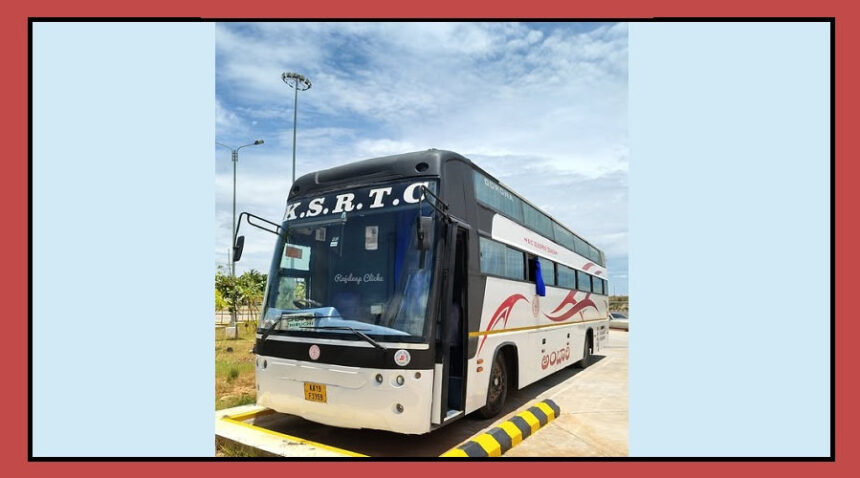
The Government of India has introduced strict new safety rules for sleeper buses to improve passenger safety and reduce fire-related accidents.
These changes are part of the updated Bus Body Code, which focuses on stronger safety standards and better inspection systems.
Stricter Safety Checks Before Registration
Union Minister for Road Transport and Highways, Nitin Gadkari, has announced that no new sleeper buses will be registered without proper safety checks. This includes both physical and video inspection of important safety features.
Under the new rules, every sleeper bus must be carefully checked for fire safety systems, emergency exits, emergency hatches, and emergency lighting before it is approved.
The inspection details will also be uploaded on the Vahan portal, making the process more transparent and accountable.
Gadkari stated that passenger safety remains the government’s top priority and these steps are necessary to prevent accidents.
Only Approved Manufacturers Can Build Sleeper Buses
Another major change is that sleeper buses will now be manufactured only by automobile companies or plants that are approved by the central government.
This step is aimed at improving quality control and ensuring that safety standards are strictly followed during manufacturing.
The revised Bus Body Code (AIS-052), which is already in effect, defines mandatory safety, design, and structural requirements for all buses built in India.
These rules are meant to ensure that buses are safer and more reliable for long-distance travel.
Rising Bus Fire Accidents Behind the Decision
In recent years, India has seen several serious bus accidents, including multiple fire incidents that have led to hundreds of deaths.
Investigations have shown that many of these buses lacked proper fire-fighting systems and emergency exits, making it difficult for passengers to escape in time.
To address this growing concern, the government has tightened regulations to prevent such tragedies in the future and improve overall travel safety for passengers.