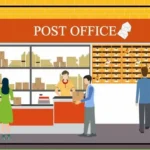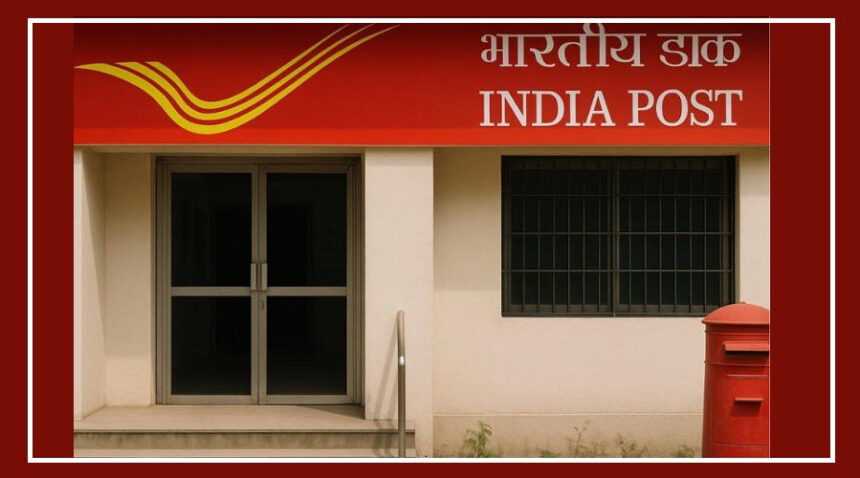
Imagine hearing your doorbell ring and finding a postman standing outside your house. Earlier, people waited eagerly for letters, money orders, or parcels. But now, the role of the postman in India is changing completely.
Today’s postman may arrive carrying a biometric device and a tablet instead of just letters. With these digital tools, he can help you get a personal loan, activate your DigiLocker account,
and even provide micro-insurance services without you leaving your home.
This is not a future prediction or movie story. It is the new reality being introduced by the Government of India through India Post Payments Bank (IPPB).
What Is ‘Smart Postman Phase 3’?
India Post Payments Bank and the Ministry of Communications have expanded the “Smart Postman – Digital Banking Phase 3” service across the country.
The aim is simple: bring banking and digital services directly to people living in villages, tier-2 cities, and semi-urban areas.
Under this new system, people will no longer need to stand in long bank queues for small loans, insurance, or document storage services. A postman can now provide these services at home through biometric verification.
This phase mainly focuses on three services:
Instant personal loans
Low-cost micro-insurance
Government-approved digital lockers through DigiLocker
The government believes this will help people who struggle to access traditional banking services, especially in rural India where many still depend on local moneylenders charging very high interest rates.
How Will the Service Work?
The process has been designed to be simple and fast.
Suppose someone urgently needs ₹20,000 for medical expenses or college fees. Instead of visiting a bank, they can request doorstep banking through the IPPB app or toll-free number.
A local postman will visit the house with a biometric machine and tablet. The customer will verify identity using Aadhaar-based fingerprint authentication.
After verification, the postman enters basic details into the system. Since IPPB is connected with several NBFCs and insurance companies, loan approval can happen quickly. If approved, the money is transferred directly into the bank account.
The Digital Locker service also works similarly. Important documents like land papers, certificates, and mark sheets can be scanned and uploaded safely into DigiLocker from home itself.
Big Relief for Elderly and Rural Families
This scheme could make life easier for senior citizens and people living far from banks.
Many elderly people struggle to visit banks for pension work or document verification. Now, many of these tasks can be completed at home.
Women in rural areas may also benefit greatly. Many women hesitate to visit banks alone or feel uncomfortable dealing with financial paperwork. With doorstep services, they can access banking, insurance, and savings schemes more confidently.
The service could also save a lot of time for middle-class families who are already busy with work and daily responsibilities.
But There Are Risks Too
While the service looks convenient, there are also some concerns.
Easy access to instant loans may encourage people to borrow money without proper planning. Experts warn that customers should carefully check interest rates, processing fees, and EMI conditions before taking loans.
Internet connectivity is another major challenge. In many remote villages and hilly regions, weak mobile networks may create problems during biometric verification.
Postal workers may also face increased pressure because they now have to manage banking, insurance, and digital services along with regular mail delivery.
Why Did the Government Start This Service?
Several reports by organizations like NITI Aayog and the World Bank have shown that many rural Indians still lack proper access to formal banking and insurance.
Unexpected medical expenses often push poor families into debt because they do not have financial protection.
India Post already has one of the largest networks in the country, with more than 1.4 lakh access points. The government is now using this network to improve financial inclusion in villages and small towns.
The plan may also reduce crowding at rural banks by shifting smaller banking tasks to doorstep services.
Important Safety Tips for Users
People planning to use this service should stay careful and follow some basic safety rules.
Always check the postman’s official ID card and uniform
Verify which service is being processed before giving biometric authentication
Read loan terms and EMI details carefully
Never share OTPs or DigiLocker passwords with anyone
Contact official IPPB customer care immediately in case of fraud or confusion
A Major Transformation for India Post
For years, many people believed the postal department was slowly becoming outdated because of email and messaging apps. But this new digital push is giving India Post a completely new identity.
In the coming years, postmen may also help people with investment plans, mutual funds, and government savings schemes.
The “Smart Postman” initiative is more than just a banking service. It represents a major shift in how government services reach ordinary citizens.
If implemented properly with strong security and better internet connectivity, this scheme could become a game changer for rural India, senior citizens, and middle-class families across the country.