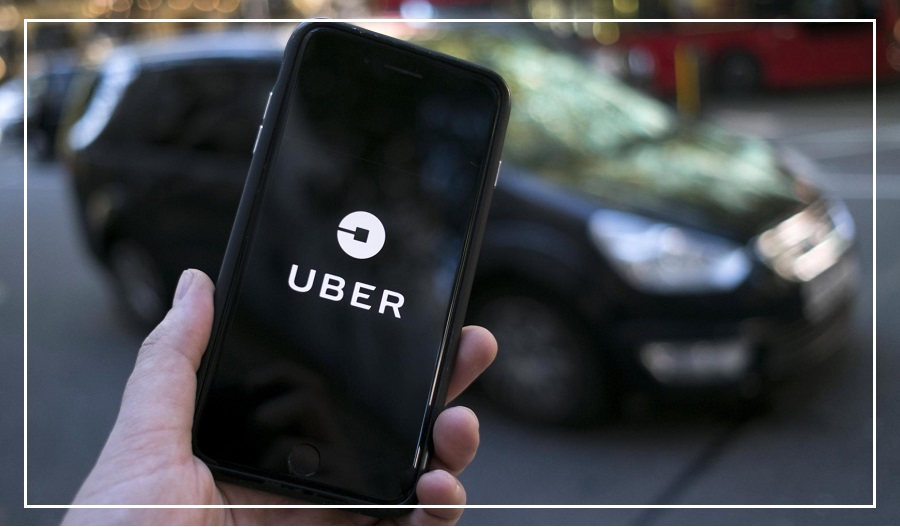
If you live in Delhi-NCR areas like Noida, Ghaziabad, Gurugram, or Faridabad and regularly use Ola-Uber or order food and products from Swiggy, Zomato, Amazon, and Flipkart, then this update could directly affect you.
The Haryana government, led by Nayab Singh Saini, has taken a major decision that may completely change the transport and delivery system in NCR areas of the state.
Under the new rules, petrol and diesel vehicles used by cab aggregators and delivery companies will no longer be allowed to join fleets in Haryana’s NCR districts, including Gurugram and Faridabad.
What Is the New Rule?
In a cabinet meeting held on Monday, the Haryana government amended the Haryana Motor Vehicles Rules, 1993.
Following directions from the Commission for Air Quality Management (CAQM), the government announced that from January 1, 2026, all new vehicles added by cab aggregators, e-commerce companies, and delivery service providers must be either:
CNG vehicles
Electric vehicles (EVs)
Battery-operated vehicles (BOVs)
This means companies like Ola, Uber, Swiggy, Zomato, Amazon, and Flipkart will not be able to onboard new petrol or diesel vehicles in Haryana’s NCR region.
The government has also clarified that only CNG or electric auto-rickshaws will be allowed to join new fleets in NCR areas.
New Safety Features Now Mandatory
The government has not only focused on pollution control but also on passenger and driver safety.
Under the new rules, all cabs and delivery vehicles must now have:
GPS-based vehicle tracking devices
Panic buttons
First-aid kits
Fire extinguishers
Companies will also have to set up 24×7 control rooms and customer support call centers for quick complaint resolution.
Apart from this, all drivers and vehicles will be digitally verified through the government’s VAHAN and SARATHI portals.
Big Insurance Cover for Drivers and Passengers
The Haryana government has also made insurance coverage compulsory under the new policy.
Insurance for Passengers
Passengers must get a minimum insurance cover of ₹5 lakh during travel.
Insurance for Drivers
Companies will now have to provide:
Health insurance of at least ₹5 lakh
Term insurance of at least ₹10 lakh
This move is expected to provide better financial security in case of accidents.
Haryana May Soon Make EVs Completely Tax-Free
Before the cabinet meeting, Haryana Transport Minister Anil Vij also made another important announcement related to electric vehicles.
He said the government has sent a proposal to offer 100% tax exemption on EVs in Haryana, similar to policies in Delhi and Chandigarh.
At present, buyers only get a 20% discount on EV registration charges in Haryana.
If the new proposal gets approved, buying electric vehicles in the state could become much cheaper. The government has also announced plans to purchase 500 new electric buses soon.