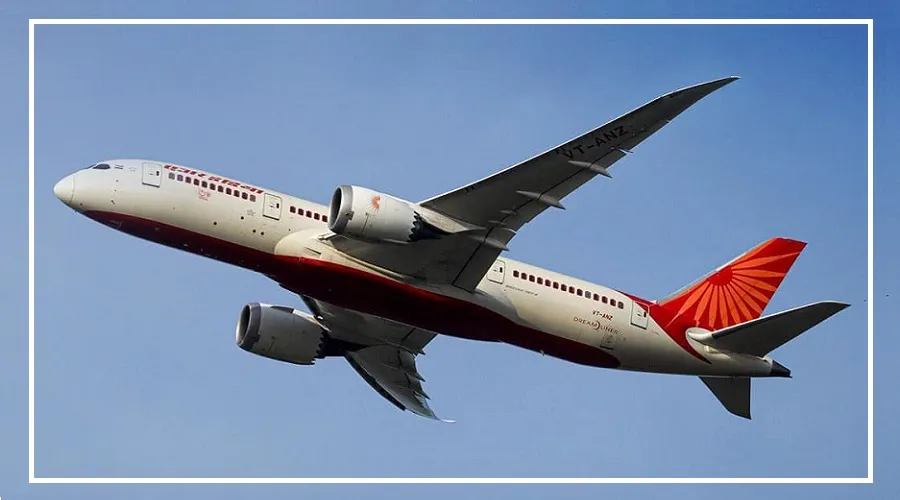
India has taken a step toward cleaner aviation by updating its rules on jet fuel.
The Ministry of Petroleum and Natural Gas has now allowed Aviation Turbine Fuel (ATF) to be blended with synthetic fuels, bringing the country closer to global fuel standards.
The change was announced through a notification dated April 17, 2026, updating the existing Aviation Turbine Fuel rules from 2001.
Under the new definition, ATF is no longer limited to traditional fuel.
It can now include a mix of conventional hydrocarbons and synthetic alternatives, as long as they meet Indian quality standards.
What This Change Really Means
This update officially allows blended aviation fuels in India.
Until now, there was limited clarity around using such fuels.
With this move, the government has made things clearer for oil companies, airlines, and fuel suppliers.
It opens the door for adopting modern fuel technologies that are already being used or tested globally.
In simple terms, airlines in India can now start preparing to use cleaner fuel options without regulatory confusion.
Push Towards Cleaner Flying
The aviation industry worldwide is under pressure to reduce carbon emissions.
This is where sustainable aviation fuels (SAF) and synthetic fuels come in.
These fuels can be made from sources like biomass, waste materials, and renewable energy, making them far more eco-friendly than traditional jet fuel.
For India, this shift is especially important.
The country’s aviation sector is growing rapidly, and fuel is one of the biggest expenses for airlines.
By allowing blended fuels, India is not just focusing on sustainability but also encouraging innovation and future-ready fuel supply systems.
This move signals that cleaner, more efficient flying could soon become a reality in the country.