The new financial year 2026-27 has started, and with it, several important rules have changed.
From LPG prices to ATM charges and tax laws, these updates will directly affect your daily life and expenses.
The biggest shock has come in the form of rising LPG prices, along with costlier air travel and new banking rules.
Let’s understand the major changes in a simple way.
1. LPG Cylinders Become Costlier
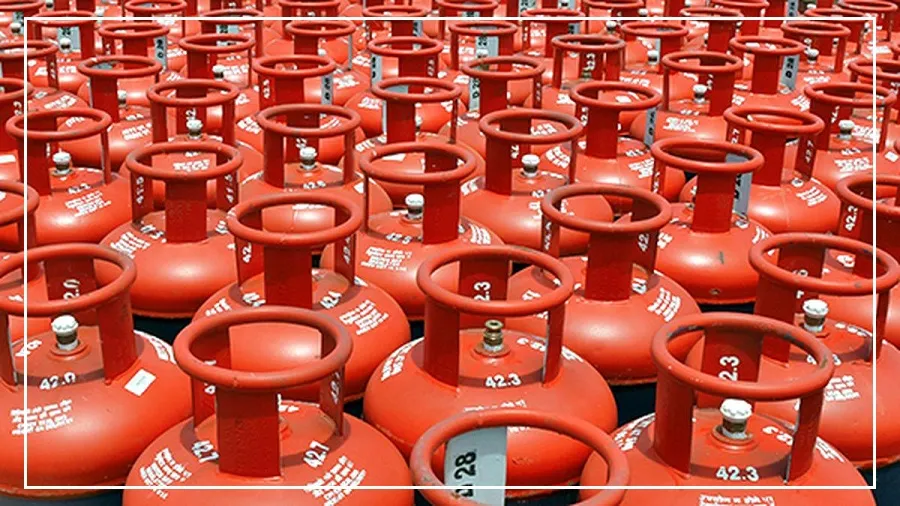
On the very first day of the financial year, oil companies increased the price of commercial LPG cylinders by up to ₹218.
New prices:
Delhi: ₹2,078.50 (earlier ₹1,883)
Kolkata: ₹2,208 (earlier ₹1,990)
Mumbai: ₹2,031 (earlier ₹1,835)
Chennai: ₹2,246.50 (earlier ₹2,043.50)
Domestic LPG cylinder prices remain unchanged for now.
2. Air Travel May Get Expensive
The price of aviation fuel (ATF) has increased sharply, crossing ₹2 lakh per kiloliter for the first time.
Due to this:
Airlines may increase ticket prices
Travel costs could go up soon
3. ATM Withdrawals Become Costlier
Banks like HDFC, PNB, and Bandhan Bank have changed ATM rules:
HDFC Bank: UPI withdrawals now count in free limits.
Extra transactions cost ₹23 + tax.
PNB: Daily withdrawal limit reduced from ₹1 lakh to ₹50,000 for some cards.
Bandhan Bank: Limited free transactions, then ₹23 per transaction.
Failed transactions may cost ₹25.
4. New Income Tax Law Implemented
The Income Tax Act 2025 has replaced the old 1961 law.
Key changes:
Simpler tax system
HRA and allowance rules updated
Financial Year and Assessment Year merged into a single Tax Year
5. Share Trading Becomes More Expensive
Investors will now pay more tax on trading:
Futures trading: STT increased by 150%
Options trading: STT increased by 50%

This means higher costs for stock market traders.
6. New Labour Codes in Effect
The government has introduced 4 new labour laws, replacing 29 old ones.
Key changes:
Basic salary must be at least 50% of total salary
PF contribution may increase
Take-home salary may reduce
Gratuity now available after just 1 year (earlier 5 years)
7. PAN Card Rules Updated
PAN card rules are now stricter:
Aadhaar alone is not enough for a new PAN card
PAN is mandatory for:
Cash deposits above ₹10 lakh
Vehicle purchase up to ₹5 lakh
Hotel or restaurant bills above ₹1 lakh
Property purchase up to ₹20 lakh
Final Takeaway
These changes from April 1 will impact your daily expenses, savings, and investments.
From higher LPG and travel costs to new banking and tax rules, it is important to stay updated and plan your finances accordingly.
Being aware of these updates can help you avoid extra charges and make better financial decisions in the new financial year.