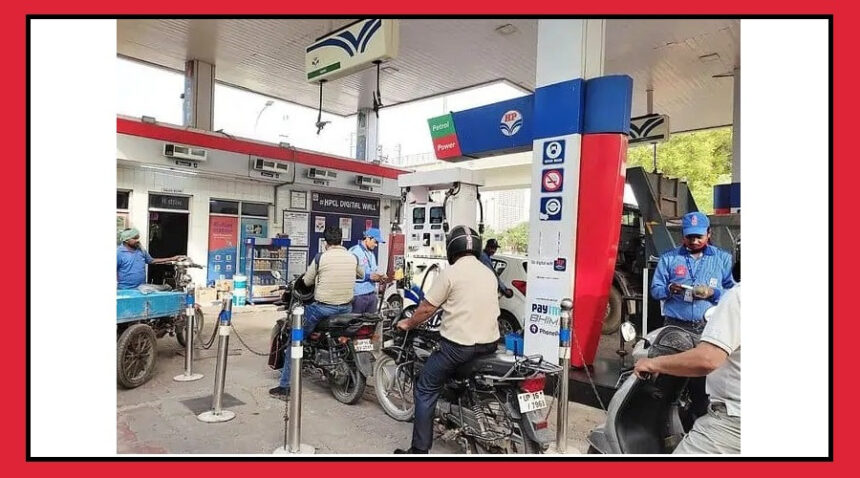
The Indian government has given a major boost to the public amid rising fuel prices.
On March 27, the government reduced excise duty on petrol and diesel.
Petrol’s additional excise duty has been cut from ₹13 per liter to just ₹3, while diesel’s ₹10 duty has been completely waived.
This move comes as international crude oil prices soar above $100 per barrel, fueled by tensions in the Middle East.
Why Fuel Prices Haven’t Dropped Yet
Even after the tax cut, petrol and diesel prices across states remain mostly unchanged.
The government aims to prevent oil companies from passing extra costs to consumers, urging them to keep prices stable.
Additionally, the central government has requested states to reduce VAT so that citizens can fully benefit from the excise duty cut.
Here’s what fuel costs look like in some major cities today:
| City/State | Petrol (per litre) | Diesel (per litre) |
|---|---|---|
| Delhi | ₹94.77 | ₹87.67 |
| Maharashtra | ₹103.54 | ₹90.03 |
| Uttar Pradesh | ₹94.65 | ₹87.76 |
| Karnataka | ₹102.92 | ₹90.99 |
| West Bengal | ₹105.45 | ₹92.02 |
| Rajasthan | ₹104.88 | ₹90.36 |
| Himachal Pradesh | ₹95.27 | ₹87.31 |
| Haryana | ₹95.36 | ₹88.40 |
| Guwahati | ₹93.23 | ₹89.46 |
| Dehradun | ₹93.17 | ₹88.01 |
| Port Blair | ₹82.46 | ₹78.05 |
| Andhra Pradesh | ₹109.53 | ₹95.70 |
Factors Affecting Current Fuel Prices
There are a few reasons why prices haven’t fallen immediately:
Global Crude Prices: Oil prices have crossed $100 per barrel due to Middle East tensions and limited supply from OPEC countries.
Oil Companies’ Losses: Indian oil companies like IOC, BPCL, and HPCL were holding prices steady despite rising international costs, leading to losses.
The tax cut helps offset these losses.
Private Company Hikes: While government companies kept prices stable, private players like Nayara Energy increased petrol by ₹5.30 and diesel by ₹3 to maintain profits.
How Much Relief Can Consumers Expect?
If fuel companies pass the full benefit of the ₹10 per liter excise cut, petrol and diesel prices could drop by ₹10–12.
Additionally, as VAT is calculated on the final price, the reduction in base price will also reduce VAT, ensuring the public gets maximum relief.
In short, if states cooperate with VAT cuts, everyday commuters could soon enjoy cheaper fuel at the pump.