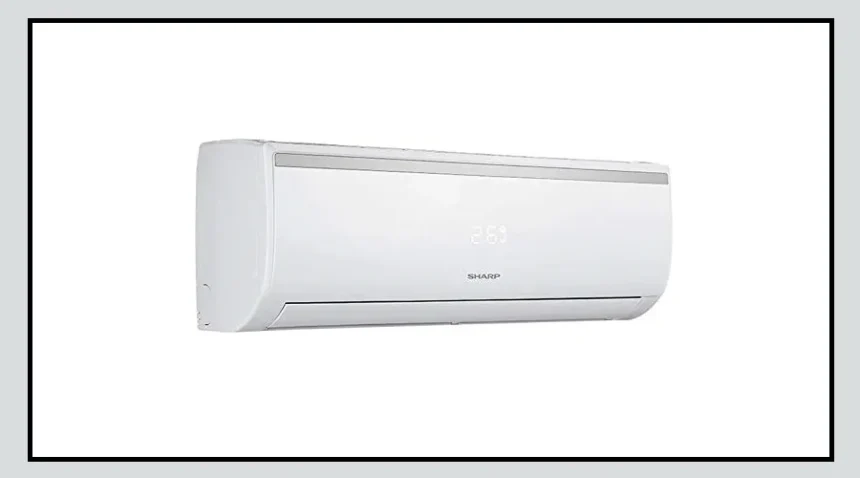
As temperatures start rising across India, several major air conditioner manufacturers have increased prices by 5–15 percent.
The price changes are being rolled out gradually between February and April, just before the peak summer season when demand for cooling appliances usually surges.
Leading brands such as Daikin, Voltas, Blue Star, LG, Haier, and Mitsubishi Heavy Industries have already announced price hikes across different models.
Despite the increase, companies believe demand will remain strong this year because of expected high temperatures and improved energy-efficient models.
Why Air Conditioner Prices Are Increasing
Manufacturers say the price hikes are necessary because several costs have gone up in recent months.
Some of the main reasons include:
Rising prices of raw materials like copper and aluminium
A weaker Indian rupee against the US dollar
Higher freight and import costs
New energy-efficiency rules for appliances
According to industry leaders, these factors have made it difficult for companies to keep prices unchanged.
For example, Daikin India plans to increase prices by up to 12 percent starting in April, depending on the model.
Company executives say that new efficiency standards and rising material costs have made the increase unavoidable.
Companies Expect Strong Demand This Summer
Even though prices are rising, manufacturers remain optimistic about sales in 2026.
Industry experts expect a hotter summer, similar to the extreme heat seen in 2024, which pushed air conditioner sales to record levels.
Some companies believe the market could grow by around 15 percent this year if temperatures rise significantly.
However, the year 2025 was challenging for the industry.
Unexpected rainfall and other market factors slowed down demand, leading to weaker sales after the strong performance in 2024.
Because of this slowdown, brands are expected to compete aggressively this year to capture market share.
Retailers Still Selling Older Stock at Lower Prices
Some price increases may not yet be visible in stores.
For instance, Blue Star raised prices by about 8–10 percent starting in mid-February.
But many retailers had already stocked up on units before the hike.
As a result, dealers are still selling older inventory at previous prices, while newer and more expensive models will reach the market gradually.
New Energy Efficiency Rules Also Affect Prices
Another major reason behind the price increase is the updated star-rating system introduced by the Bureau of Energy Efficiency.
The revised standards came into effect on January 1 this year.
Under the new rules, a 5-star air conditioner must be around 10 percent more energy-efficient than earlier models.
While this helps consumers save electricity over time, it also increases manufacturing costs.
For example, LG said prices have increased by around 7 percent for 3-star models and 9–10 percent for 5-star models.
India’s Growing Air Conditioner Market
India’s room air conditioner market is estimated to be around 13.5 million units in size.
With rising temperatures and increasing urbanization, demand for cooling appliances continues to grow.

In this highly competitive market, companies like Voltas, Daikin, Blue Star, Hitachi, Panasonic, and Lloyd are competing to attract customers.
Even with higher prices, companies expect strong demand this summer as households look for efficient ways to stay cool during the heat.