
The Ministry of Finance has recently allowed TransUnion CIBIL Limited to use Aadhaar authentication to verify user identities when accessing credit information reports.
This move aims to make processes simpler and more secure for users while maintaining transparency.
Here’s a clear breakdown of what this means for you.
What Is Aadhaar Authentication?
Aadhaar authentication is a way to confirm your identity using your Aadhaar number.
According to UIDAI, this can be done in two ways:

Demographic authentication – Using details like your name, date of birth, and gender.
Biometric authentication – Using fingerprints or iris scans.
When you submit this information, UIDAI verifies it against its Central Identities Data Repository (CIDR) to ensure the information is correct.

This process allows financial services like CIBIL to quickly and securely confirm who you are.
How Will CIBIL Use Aadhaar?
According to the Ministry of Finance notification, CIBIL can now use Aadhaar authentication for:
Registration – Verifying a new user’s identity on the CIBIL platform.
Login – Confirming an existing user’s identity before accessing credit reports.
It’s important to note that this is voluntary.
You have the choice to provide Aadhaar for authentication or opt for alternative ID options.

Can You Refuse Aadhaar Authentication?
Yes, you can
. The process is not mandatory.
If you do not want to use Aadhaar, CIBIL must offer other valid options to verify your identity.
These include:
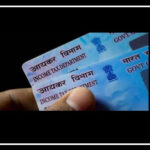
PAN Card
Passport
Voter ID
Driving License
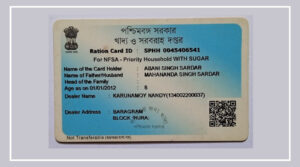
Ration Card
You will not be denied access to credit reports for choosing not to use Aadhaar.
Why This Change Matters
The goal of allowing Aadhaar authentication is to:
Make identity verification faster and easier
Reduce the need for multiple documents
Promote transparency and efficiency in accessing financial services
At the same time, CIBIL and UIDAI will ensure that your information is handled securely and only used for identity verification during registration or login.
In short, Aadhaar authentication with CIBIL is a voluntary, secure, and convenient option — but you can always choose other government-issued IDs if you prefer.