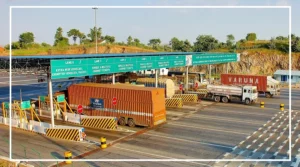
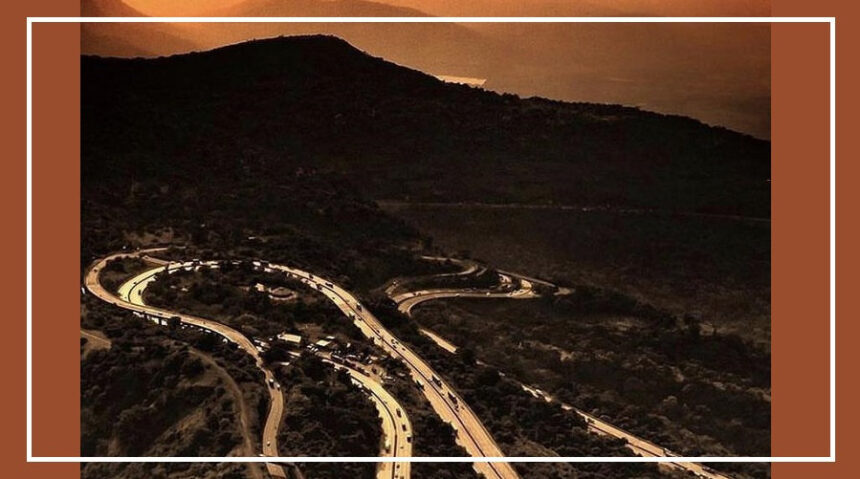
The nearly 10-kilometre-long tunnel of the Mumbai-Pune Expressway ‘missing link’ project is almost ready and is expected to open to traffic from May 1, 2026.
Recently, the tunnel has been classified under the ‘E’ category, the highest risk classification for road tunnels according to international ADR standards.
This classification is based on its length, design, and potential hazards.
What the ‘E’ Category Means
The ‘E’ classification indicates strict safety restrictions, especially regarding the transport of dangerous goods.
Vehicles carrying petrol, diesel, LPG, CNG, and other hazardous chemicals will not be allowed to enter the tunnel.

A senior MSRDC official explained that accidents involving highly flammable substances in such long tunnels could lead to:
Rapid fire spread
Toxic smoke buildup
Serious structural damage
Ensuring passenger safety is the top priority, which is why these restrictions are necessary.
Enforcement and Alternate Routes
The Maharashtra State Road Development Corporation (MSRDC) will soon issue formal instructions to the highway traffic police and transport department for strict implementation.
Tanker operators will continue using the existing ghat route.
Nearly 2,000 fuel tankers travel the expressway daily, and this rule ensures a safer and faster journey for regular motorists.
Tanaji Chikhale, Superintendent of Police (highway traffic), said police teams will be deployed at key entry and diversion points to stop high-risk vehicles and coordinate with transporter associations.
Any violations will face strict action, safeguarding thousands of commuters every day.