Here’s your content rewritten in a simple, engaging, and reader-friendly format with short paragraphs and clear subheadings:
DGCA Issues Strict New Rules for VVIP Flights
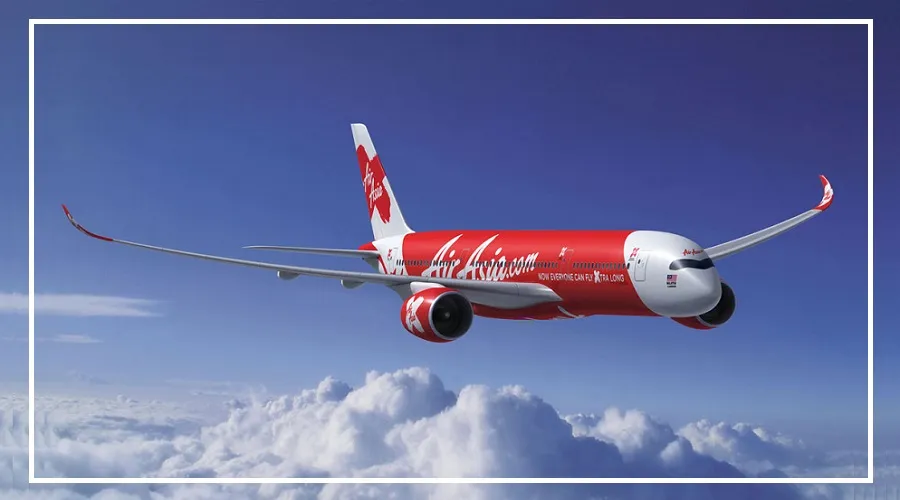
India’s aviation regulator, the Directorate General of Civil Aviation (DGCA), has introduced stricter safety rules for VVIP flights.
These new guidelines came into effect immediately on Friday.
The rules apply to non-scheduled aircraft and helicopters carrying important leaders like chief ministers, central ministers, and governors.

The aim is to improve safety and avoid any future mishaps.
Why These New Rules Were Introduced
The decision comes after a tragic plane crash in January that killed Ajit Pawar and four others.
Along with this, authorities are preparing for heavy air traffic during upcoming assembly elections in five states.
More flights and tighter schedules increase risks, making stronger safety measures necessary.
The DGCA also reviewed past accidents and found that many were caused due to rule violations and negligence.
This has pushed the regulator to enforce stricter standards for VVIP travel.
No Pressure on Pilots, Safety Comes First
One of the most important rules is that pilots will have full authority over flight decisions.
Airline operators are not allowed to pressure pilots under any circumstances.
If the weather is bad or conditions are unsafe, the pilot can delay or cancel the flight. Safety will always come first.
Twin-Engine Aircraft Now Mandatory
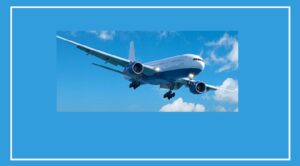
The DGCA has made it compulsory to use twin-engine aircraft or helicopters for VVIP flights.
Aircraft must also have:
Proper navigation systems
Communication equipment
Working weather radar
Additionally, all baggage must be carefully checked before boarding.
Aircraft with special exemptions will no longer be allowed for such flights.
Approval and Weather Checks Made Strict
Under the new rules, operators must take written approval at least 24 hours in advance for any helipad or airstrip from the district administration.
Pilots must also:
Check detailed weather reports before flying
Keep a backup plan ready in case conditions change
Election Flights Considered High Risk
The DGCA has highlighted that election-related flights are especially risky.
These flights often involve:
Long flying hours
Frequent takeoffs and landings
Temporary helipads
Constant schedule changes
Security pressure
Because of this, the regulator has asked all parties—operators, pilots, and local authorities—to work together and ensure that safety is never compromised.
This version keeps the information intact while making it easier to read and more engaging for a content website.