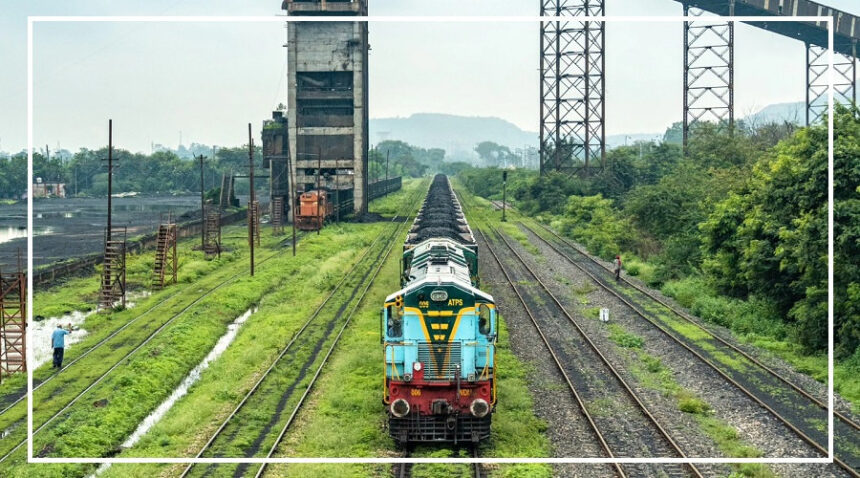
A shortage of commercial LPG cylinders is now affecting train food services across India.
The problem is hitting base kitchens the hardest—these are the places where meals for long-distance trains are prepared.
Since these kitchens rely heavily on LPG, the shortage has made it difficult to cook fresh meals.
To avoid inconvenience for passengers, the Indian Railway Catering and Tourism Corporation has quickly introduced alternative solutions.
What Passengers Will Get Now
Due to the situation, passengers—especially on premium trains like Vande Bharat Express, Shatabdi Express, and Tejas Express—will now receive ready-to-eat (RTE) meals.
These meals are pre-cooked and packaged, making them easy to serve quickly while maintaining hygiene.
Here’s what the menu looks like:
Breakfast: Upma and Poha
Lunch/Dinner: Rajma-Chawal and Chole-Chawal
While the variety is limited, the focus is on ensuring that passengers still get timely and safe meals.
Alternative Cooking Methods Introduced
IRCTC is not relying only on packaged food. It has also asked vendors and kitchens to use other cooking methods.
These include:
Induction cooktops
Microwave ovens
Kitchens are also being told to keep enough stock of packaged meals to handle demand.
This mixed approach helps maintain food service even during the LPG shortage.
How Catering on Trains Is Changing
The shortage has temporarily changed how food is prepared and served onboard.
Freshly cooked meals may be reduced
Packaged and semi-cooked food is being used more
Service may be faster, but menu options are fewer
Despite these changes, the main goal remains the same—no passenger should go hungry during the journey.
A Bigger Issue Across the Country
The LPG shortage is not just affecting railways.
Across India:
Restaurants are facing supply issues
Some areas are seeing price increases
Many businesses are switching to alternative cooking methods
Since railways serve millions of passengers daily, quick action was necessary to avoid major disruption.
What Happens Next?
IRCTC’s move shows how essential services adapt during unexpected challenges.
Passengers may miss freshly cooked meals for now, but the current system ensures food availability, safety, and convenience.
Once the LPG supply improves, normal catering services are expected to return.