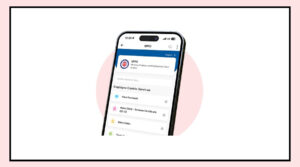

Sending money through UPI or IMPS may not remain instant for all transactions.
The Reserve Bank of India is planning a new rule to reduce rising digital fraud.
According to this proposal, if you send more than ₹10,000, the money may not reach the receiver immediately.
Instead, it could be held for up to one hour before completion.
The RBI has asked for public feedback on this plan till May 8, 2026. After that, final rules may be announced.
Why RBI Wants This Rule
The main reason behind this move is the sharp increase in online fraud cases.
Fraud losses are expected to cross ₹22,000 crore by 2025.

Interestingly, transactions above ₹10,000 make up only about 45% of fraud cases but account for nearly 98.5% of the total money lost.
With a one-hour delay, users will get time to review the transaction.
If something feels wrong, they can cancel it before the money is transferred.
Key Features of the New Proposal
The RBI has suggested several important changes to make digital payments safer.
Transactions above ₹10,000 may be held for one hour, giving users time to cancel if needed.
For senior citizens above 70 years, sending more than ₹50,000 may require approval from a trusted person.
If deposits above ₹25 lakh are made in personal or small business accounts, banks may credit the money only after confirmation.
The RBI is also considering a “kill switch.”
This feature would allow users to instantly block all digital payment services like UPI, cards, and internet banking in case of fraud.
How This Helps Prevent Fraud
Most frauds today do not happen due to technical hacking but because people are tricked into sending money quickly.
Fraudsters often create panic or urgency, leaving no time to think. This is known as social engineering.
With a one-hour delay, users will have enough time to think carefully and stop a wrong transaction, reducing chances of fraud.
Who Will Get Relaxation
Not all transactions will face delays.
Users can whitelist trusted contacts. Payments to these contacts will not be delayed.
Also, merchant payments, auto payments (e-mandates), cheques, and NACH transactions will remain unaffected.
Challenges of This Rule
While this move will improve safety, it may also create some issues.
UPI is popular because of its instant speed.
A delay could affect user experience and slow down business payments.
There is also a risk that fraudsters may try to misuse the whitelist feature.
The RBI will need to balance safety and convenience before implementing this rule.