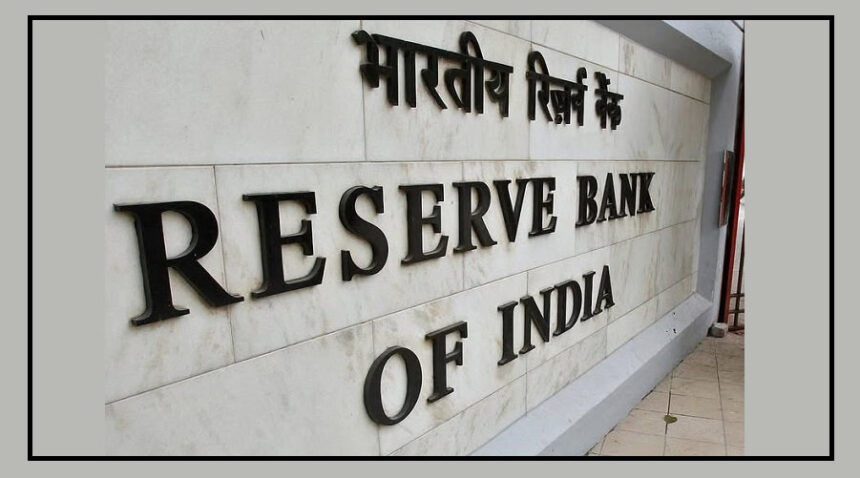
The Reserve Bank of India (RBI) is planning to introduce a new framework to classify non-banking financial companies (NBFCs).
The announcement was made by RBI Governor Sanjay Malhotra after the latest policy meeting.
This update has gained attention because it could impact big companies like Tata Sons, especially around the question of whether it needs to be listed on the stock exchange.
New NBFC Classification Framework Coming Soon
RBI is working on a revised system to classify NBFCs into different categories like upper layer and middle layer.
According to the governor, this new framework is expected to be released soon.

These categories are important because stricter rules apply to companies placed in higher layers, especially those considered systemically important.
Why Tata Sons Is in Focus
The update comes at a time when there is uncertainty around Tata Sons.
RBI had earlier classified Tata Sons as an upper-layer NBFC in September 2022.
Under existing rules, such companies are usually required to get listed on the stock exchange within a specific timeline.
For Tata Sons, the deadline was September 30, 2025.
However, the company has also applied for deregistration, and RBI has clarified that its earlier classification does not affect the final decision on this request.
Which Companies Are in the Upper Layer?
For the financial year 2024–25, around 15 NBFCs were placed in the upper layer category.
These include major names like:
Bajaj Finance

Shriram Finance
L&T Finance
HDB Financial Services
Tata Sons
Companies in this category are closely monitored due to their size and impact on the financial system.
What This Means Going Forward
The upcoming framework could bring more clarity on how NBFCs are classified and regulated.
It may also influence decisions on listing requirements, compliance rules, and overall supervision of large financial entities.
For companies like Tata Sons, the final outcome will depend on RBI’s decision regarding its classification and deregistration request.
Overall, this move signals that RBI is looking to strengthen oversight of NBFCs while ensuring the system remains stable and transparent.