Rising tensions in the Middle East and surging oil prices could impact India’s economy.
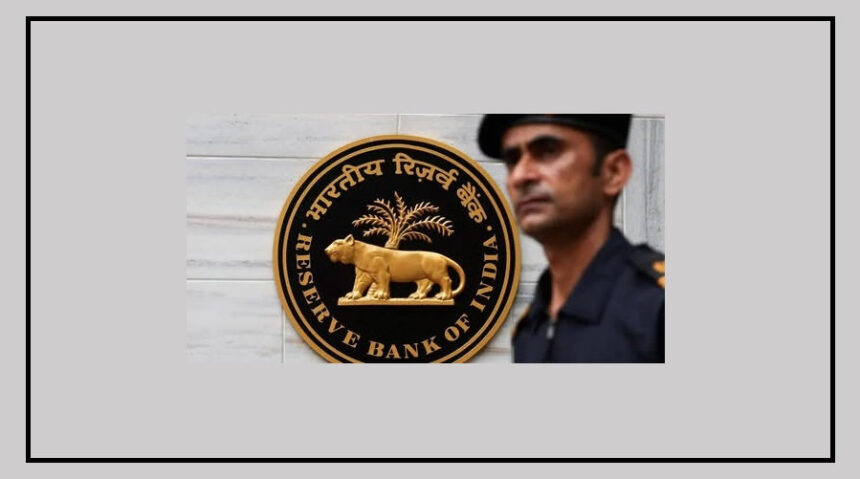
Because of this, the Reserve Bank of India is likely to keep the repo rate unchanged at 5.25% in its April 2026 policy meeting.
A report by Bank of Baroda suggests that the phase of rate cuts may now be over, and the RBI could move into a “wait and watch” mode.
Why RBI May Not Cut Rates Further
According to the report, global uncertainty is the main reason behind this pause.
The ongoing tensions involving the US and Iran have disrupted oil supplies, especially after issues around the Strait of Hormuz, pushing crude oil prices above $100 per barrel.

Higher oil prices can lead to:
Rising inflation
Increased import costs for India

Pressure on economic growth
Because of this, the RBI is expected to stay cautious and avoid major changes for now.
Inflation and Rate Hike Possibility
The RBI may not cut rates now—but there is also a chance of a rate hike later.
If inflation crosses the 6% upper limit, the central bank could consider increasing interest rates towards the end of the year.
For now, the RBI is likely to maintain a neutral stance and monitor the situation closely over the next few months.
Impact on Markets and Rupee
The global conflict has already started affecting financial markets.

Foreign investors are pulling money out of India
Bond yields are rising
The Indian rupee has weakened significantly
In fact, the rupee recently touched a low of 94.83 per US dollar, showing the pressure on the currency.
What It Means for India’s Economy
The uncertainty is expected to impact both growth and inflation.
Experts believe the RBI may revise its forecasts soon. Current estimates suggest:
FY26 GDP growth: 7.6%
FY27 GDP growth: 7% to 7.2%
There are also concerns that India’s current account deficit could widen, adding more pressure on the economy.
Final Takeaway
Global events are once again influencing India’s economic decisions.
With rising oil prices and geopolitical tensions, the RBI is likely to pause rate changes for now and stay cautious.
The next few months will be crucial in deciding whether rates remain stable—or start rising again.