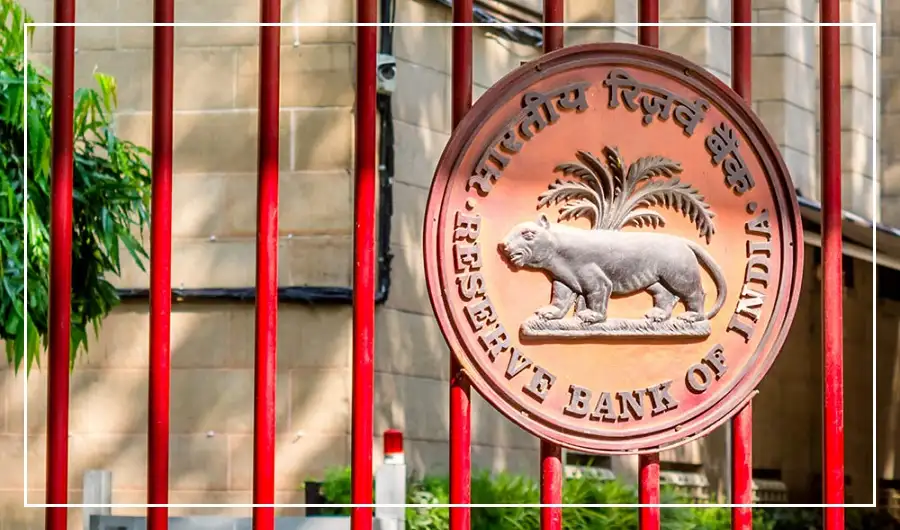
The Reserve Bank of India (RBI) has issued new guidelines to make loan processes more transparent and protect customers.
Banks and digital loan apps can no longer increase loan limits on their own.
Any increase in loan limits now requires written approval from the customer.
The RBI has also clarified that customer data cannot be shared with third parties without consent, ensuring better data protection.
No Arbitrary Loans or Penalties
Previously, some banks and loan apps issued extra loans without customer approval.

For example, if a borrower had a loan of ₹20,000 being repaid in installments, the bank might give an additional ₹10,000 without consent, citing “good credit.”
If the customer tried to repay early, banks sometimes refused and imposed penalties.
The new rules stop this practice, ensuring that customers have full control over their loans.

Fixed Deposits and Savings Accounts Cannot Be Blocked
Under the RBI’s new regulations, banks cannot link loans to FDs, savings accounts, or other security plans.
In the past, some banks blocked FDs or accounts until the loan was fully repaid.
Banks are still allowed to assess household income and expenses, but they cannot tie any account or deposit as collateral for small loans.
Stricter Rules for Digital Lending Apps
The RBI has also set rules for digital loan service providers:
Apps can only access necessary data for loan processing.
Sensitive mobile data like files, photos, contacts, or call logs cannot be accessed.

Features like camera, microphone, and location can only be used once for KYC purposes.
Other mandatory rules include:
Documents must be sent via verified email or SMS.
Loan funds go directly to the customer’s account, not through apps or agents.
Customers can repay loans early without penalty.
Recovery agent details must be shared with the customer in advance.
No third party can control the money transaction.
These measures aim to protect customers, improve transparency, and prevent unfair lending practices in both banks and digital lending apps.